

Have a Flat Roof? Why a Mini-Split May Be the Way to Go
If you own a home with a flat roof in Santa Fe or elsewhere in Northern New Mexico, you already know your home is a little different.
Flat roofs are a familiar part of New Mexico architecture, particularly on Pueblo Revival and Southwestern-style homes. They’re part of the look we love—but they can also create some unique challenges when it’s time to upgrade your home’s heating and cooling system.
One of the biggest questions is simple:
Where are you going to put all that ductwork?
Homes that weren’t originally designed for a traditional central heating and cooling system may not have convenient attic or ceiling space available for new ducts. Adding ductwork after the fact can turn into a much larger project than homeowners expect.
That’s one reason ductless mini-split systems can be such a great option for New Mexico homes with flat roofs.
At Pro-Tech HVAC, we can help you determine whether a mini-split system is the right solution for keeping your home comfortable without installing an entirely new network of ductwork.
What Is a Ductless Mini-Split?
A ductless mini-split is a heating and cooling system that doesn’t rely on traditional ductwork.
Instead, an outdoor unit connects to one or more indoor units. These indoor units deliver conditioned air directly into specific rooms or areas of your home.
For a Santa Fe home with a flat roof and no existing ductwork, that’s a major advantage.
Rather than trying to find space for large ducts inside a home that wasn’t designed for them, a mini-split allows you to heat and cool your home without installing a traditional duct system.
Why Flat-Roof Homes Can Make Traditional HVAC Complicated
Think about a typical home with a pitched roof.
There may be attic space between the ceiling and roof where HVAC equipment and ductwork can be installed.
A flat-roof home can be completely different.
Depending on how your home was constructed, there may be very little usable space between the ceiling and roof. If your home doesn’t already have ductwork, finding somewhere to install large supply and return ducts can quickly become complicated.
Adding conventional ductwork could potentially mean finding alternate routes through the home or making other changes simply to accommodate the new system.
But what if you could skip the ducts altogether?
That’s exactly where a mini-split can help.
No Ductwork Means Less Disruption
One of the biggest benefits of choosing a mini-split for a flat-roof home is what you don’t have to install.
You don’t need to add an entire network of ductwork.
That’s particularly appealing if you love the architecture of your New Mexico home and don’t want to make major changes just to add heating and cooling.
Instead of designing your HVAC system around where ductwork can fit, a mini-split provides much more flexibility.
The indoor and outdoor components are connected without requiring the large supply and return ducts associated with a conventional central HVAC system.
For many flat-roof homes, that can make upgrading your heating and cooling much more practical.
A Great Option for Santa Fe’s Unique Homes
Santa Fe is known for architecture you simply don’t find everywhere else.
Pueblo Revival, Territorial, adobe-inspired, and Southwestern homes contribute to the character of the area. Many of these properties feature flat roofs and architectural details homeowners want to preserve.
Trying to retrofit extensive ductwork into an existing home can present challenges, particularly when the house wasn’t originally constructed with central air conditioning in mind.
A mini-split gives homeowners another option.
Instead of changing the home’s architecture to accommodate the HVAC system, you may be able to choose an HVAC system that works better with the home’s existing design.
Great for Homes That Never Had Central Air
Many older New Mexico homes weren’t built with today’s central air conditioning systems in mind.
Maybe your home relies on another type of heating system. Maybe you’ve been using portable or window air conditioners. Or perhaps you’ve simply been putting up with rooms that become uncomfortable during the summer.
Adding air conditioning doesn’t necessarily mean you have to retrofit your entire home with ducts.
A ductless mini-split can provide heating and cooling without requiring a traditional duct system.
For older Santa Fe properties, that can be particularly valuable when you want modern comfort without unnecessarily changing the character of the home.
Get Better Control Over Different Areas of Your Home
Another major benefit of mini-splits is zoning.
Your entire house doesn’t always need exactly the same amount of heating or cooling.
Maybe your bedroom receives intense afternoon sun while another part of the house stays relatively cool. Perhaps your home office has computers and electronics that make the room warmer. Or maybe there’s one part of the house that simply never seems comfortable.
With multiple indoor mini-split units, different areas of the home can be treated as separate zones.
That can give you greater control over comfort in the spaces you actually use.
Mini-Splits Can Provide Heating and Cooling
Mini-splits aren’t only for air conditioning.
Many modern ductless mini-split systems use heat-pump technology, allowing them to provide both cooling and heating.
That can make them useful throughout the year in Northern New Mexico, where homeowners experience hot summer afternoons as well as cold winter temperatures.
Whether a mini-split should serve as your primary heating system or work alongside another system will depend on your home and the equipment selected.
That’s one reason it’s important to have your property evaluated by an HVAC professional before deciding which system to install.
Don’t Forget About Casitas
If there’s one type of property where mini-splits make a lot of sense in New Mexico, it’s a casita.
A detached casita may be too far from the main home’s HVAC system to make extending ductwork practical.
Instead of trying to connect the space to your existing system, a mini-split can provide dedicated heating and cooling specifically for the casita.
The same idea applies to:
- Home offices
- Converted garages
- Workshops
- Guest rooms
- Home additions
- Studios
- Enclosed patios
If you have a space that isn’t currently connected to your central HVAC system, ask Pro-Tech HVAC whether a mini-split could be an option.
Professional Sizing Still Matters
Ductless doesn’t mean one-size-fits-all.
Choosing the right mini-split requires more than estimating the square footage of your room.
Your home’s insulation, windows, sun exposure, ceiling height, construction, layout, and other factors can influence how much heating and cooling the space needs.
An undersized system may struggle to keep up.
An oversized system isn’t necessarily better, either.
Having an HVAC professional properly evaluate the property helps ensure you’re choosing equipment appropriate for your particular home.
That’s especially important in New Mexico, where intense sunshine and significant temperature changes can affect a home’s heating and cooling requirements.
Keep Your Flat-Roof Home—and Skip the Ductwork
Owning a flat-roof home doesn’t mean you have to redesign your house around a traditional HVAC system.
If your home doesn’t already have ductwork, a mini-split could give you another way to get the heating and cooling you want without trying to find space for bulky ducts.
For many Santa Fe and Northern New Mexico homeowners, that combination makes mini-splits worth considering.
You can preserve more of the home’s existing design while adding modern temperature control where you need it.
Ask Pro-Tech HVAC About Mini-Splits
Every New Mexico home is different, and the right HVAC solution depends on the property.
At Pro-Tech HVAC, we understand the unique heating and cooling challenges that come with Santa Fe and Northern New Mexico homes.
If you have a flat-roof home in Santa Fe or the surrounding area, our team can evaluate your property and help determine whether a ductless mini-split is right for you.
Whether you’re trying to cool an older home without ductwork, make a stubborn hot room more comfortable, add HVAC to a casita, or upgrade your home’s overall comfort, Pro-Tech HVAC can help.
Have a flat roof? Don’t let the lack of ductwork stop you from being comfortable. Contact Pro-Tech HVAC today to learn more about professional mini-split installation in Santa Fe and Northern New Mexico.
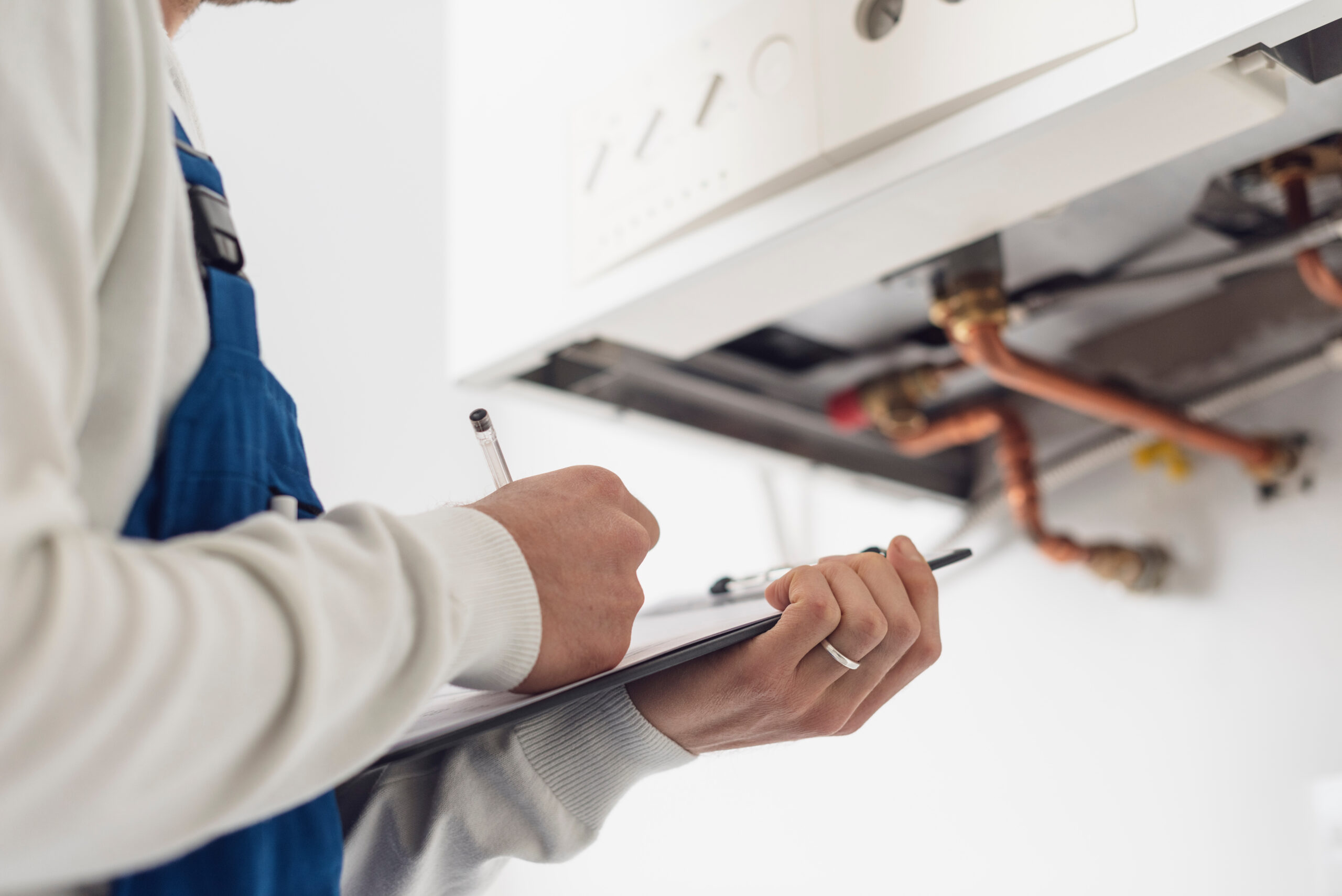
Boiler Season Is Coming: What New Mexico Homeowners Should Know
Fall can arrive quickly in Northern New Mexico. One week you’re enjoying warm, sunny afternoons, and the next you’re waking up to temperatures that have you reaching for the thermostat.
For homeowners with boilers and radiant heating systems, September and early fall are a good time to make sure everything is ready for the colder months ahead.
At Pro-Tech Air Conditioning & Heating , we help homeowners in Santa Fe and surrounding New Mexico communities prepare their heating systems for winter. If your home relies on a boiler, checking the system before you really need it can help you identify problems early and head into heating season with greater confidence.
How Does a Boiler Heat Your Home?
Unlike a traditional forced-air furnace that distributes heated air through ductwork, a boiler heats water and circulates that heat throughout the home.
Depending on the home’s heating system, that heat may be distributed through radiators, baseboard heaters, or radiant floor heating.
Radiant heating is especially familiar to many homeowners in Santa Fe and Northern New Mexico. Instead of feeling warm air blowing from vents, heat radiates into the living space.
When everything is operating properly, this can provide comfortable, consistent heat throughout the home.
But just like any other HVAC equipment, boilers require attention and maintenance.
Why Fall Is a Good Time to Check Your Boiler
Your boiler may have been sitting mostly unused throughout the warmer months.
Waiting until the first freezing night to discover that something isn’t working can turn a routine heating issue into a much more stressful situation.
Before colder temperatures settle into Santa Fe and Northern New Mexico, turn on your heating system and pay attention to how it operates.
Does the boiler start normally?
Is your home warming evenly?
Do you hear unusual noises?
Are certain rooms or heating zones staying cold?
Does the thermostat appear to be working correctly?
If something doesn’t seem right, calling Pro-Tech Air Conditioning & Heating early gives you an opportunity to address the problem before your boiler is needed every day.
Signs Your Boiler May Need Professional Attention
Some boiler problems are obvious. Others start with small changes that are easy to overlook.
Watch for signs such as:
- Unusual banging, knocking, whistling, or gurgling sounds
- Water leaking around the boiler or nearby pipes
- Rooms that aren’t getting warm
- Uneven heating throughout the house
- A boiler that repeatedly turns on and off
- Heating that takes much longer than usual
- Unexpected increases in energy bills
- Problems maintaining the thermostat setting
- Unusual odors
- A boiler that won’t start
If your system isn’t operating normally, don’t assume the problem will correct itself once you begin using the heat more frequently.
Small heating problems can sometimes become larger repair issues.
What Are Those Strange Boiler Noises?
A boiler shouldn’t necessarily be completely silent, but new or unusually loud sounds deserve attention.
Banging, knocking, whistling, or gurgling can potentially be related to several parts of the heating system. Air within the system, water-flow problems, pressure issues, mineral buildup, pumps, valves, or other components may contribute to unusual noises.
Trying to diagnose a boiler based on sound alone can be difficult.
If your boiler suddenly sounds different than it did last winter, have an HVAC professional take a look.
Pro-Tech Air Conditioning & Heating can inspect your system, determine what’s causing the noise, and recommend the appropriate next step.
Check for Water Around Your Boiler
A boiler uses water to heat your home, but you shouldn’t normally find water collecting around the equipment.
Even a small amount of moisture deserves attention.
Check around the boiler, visible pipes, valves, and nearby connections for signs of dripping or leaking.
If you notice water, don’t simply place a towel underneath it and forget about the problem.
A professional should determine where the water is coming from and whether a repair is necessary.
Don’t Ignore Uneven Heating
One of the biggest advantages of a properly operating radiant heating system is consistent comfort.
If one part of your home feels comfortable while another remains noticeably colder, something may need attention.
Depending on the type of system in your home, uneven heating could involve different zones, controls, circulation, thermostats, valves, or other components.
This can become particularly noticeable when you first turn your heating system on for the season.
If a room or heating zone isn’t warming the way it used to, Pro-Tech Air Conditioning & Heating can evaluate the system and help identify what’s happening.
Radiant Floor Heating Needs Attention, Too
Radiant floor heating can be an excellent match for New Mexico homes, particularly during cold Northern New Mexico mornings.
There’s nothing quite like stepping onto a warm floor when temperatures outside are near or below freezing.
However, because much of a radiant heating system isn’t visible, homeowners may not immediately know something is wrong.
You might notice that certain areas of the floor don’t feel as warm as they used to or that a room takes significantly longer to reach a comfortable temperature.
Those changes can be worth investigating before winter.
Don’t Forget About Your Thermostat
Sometimes a heating problem isn’t actually coming from the boiler itself.
Your thermostat plays an important role in telling the heating system when your home needs heat.
Before heating season, make sure the thermostat is responding correctly and set to the appropriate heating mode. If your thermostat uses batteries, fall can also be a convenient time to check or replace them as appropriate for your model.
If your home has multiple heating zones, test each one.
A little testing now can save you from discovering a problem on a freezing January morning.
Annual Boiler Maintenance Can Help You Prepare for Winter
Preventive maintenance gives an HVAC professional an opportunity to inspect your boiler before it enters another full heating season.
Depending on your particular equipment and system, a professional boiler service may involve checking components, controls, system operation, pressure, connections, and other important parts of the heating system.
Maintenance can also help identify signs of wear or developing problems before they cause a loss of heat.
Every boiler system is different, particularly in older New Mexico homes. That’s why having the equipment evaluated by an experienced HVAC professional is important.
Older Santa Fe Homes Can Have Unique Heating Systems
Santa Fe has homes representing many different periods of construction, and heating systems can vary significantly from one property to another.
Some homes have traditional boilers and radiators. Others use radiant floor heating. Some properties have undergone additions or renovations over the years that created multiple heating zones or a combination of heating and cooling systems.
Older equipment can also present different maintenance and repair considerations.
Instead of assuming every heating system should operate the same way, Pro-Tech Air Conditioning & Heating can evaluate the equipment that’s actually installed in your home.
Should You Repair or Replace an Older Boiler?
A boiler problem doesn’t automatically mean you need a new system.
Many issues can be repaired.
However, if your boiler is getting older, requires increasingly frequent repairs, struggles to keep your home comfortable, or has become increasingly expensive to operate, it may be worth discussing your options.
The right decision depends on several factors, including the boiler’s age, condition, repair history, efficiency, and the heating requirements of your home.
Pro-Tech Air Conditioning & Heating can inspect your existing system and help you understand whether repair or replacement makes the most sense.
Get Ready Before Northern New Mexico Gets Cold
New Mexico may be known for sunshine, but homeowners in Santa Fe, Los Alamos, Española, and surrounding communities know how cold our nights can become.
At higher elevations, freezing temperatures can arrive much sooner than homeowners in other parts of the state might expect.
That’s why September and early fall are great times to think about your heating system.
Turn the boiler on.
Listen to it.
Check your thermostats.
Pay attention to how quickly the house warms up.
Look for leaks.
And if something doesn’t seem right, don’t wait until the middle of winter to address it.
Schedule Boiler Service With Pro-Tech Air Conditioning & Heating
Whether you need routine boiler maintenance, help diagnosing a heating problem, or want to discuss replacing an aging system, Pro-Tech HVAC Air Conditioning & Heating is ready to help.
Our team provides professional HVAC services for homeowners throughout Santa Fe, Los Alamos, Española, Rio Rancho, and surrounding New Mexico communities.
Make sure your boiler and radiant heating system are ready before the first real cold snap arrives.
Contact Pro-Tech Air Conditioning & Heating today to schedule boiler service and get your New Mexico home ready for heating season.
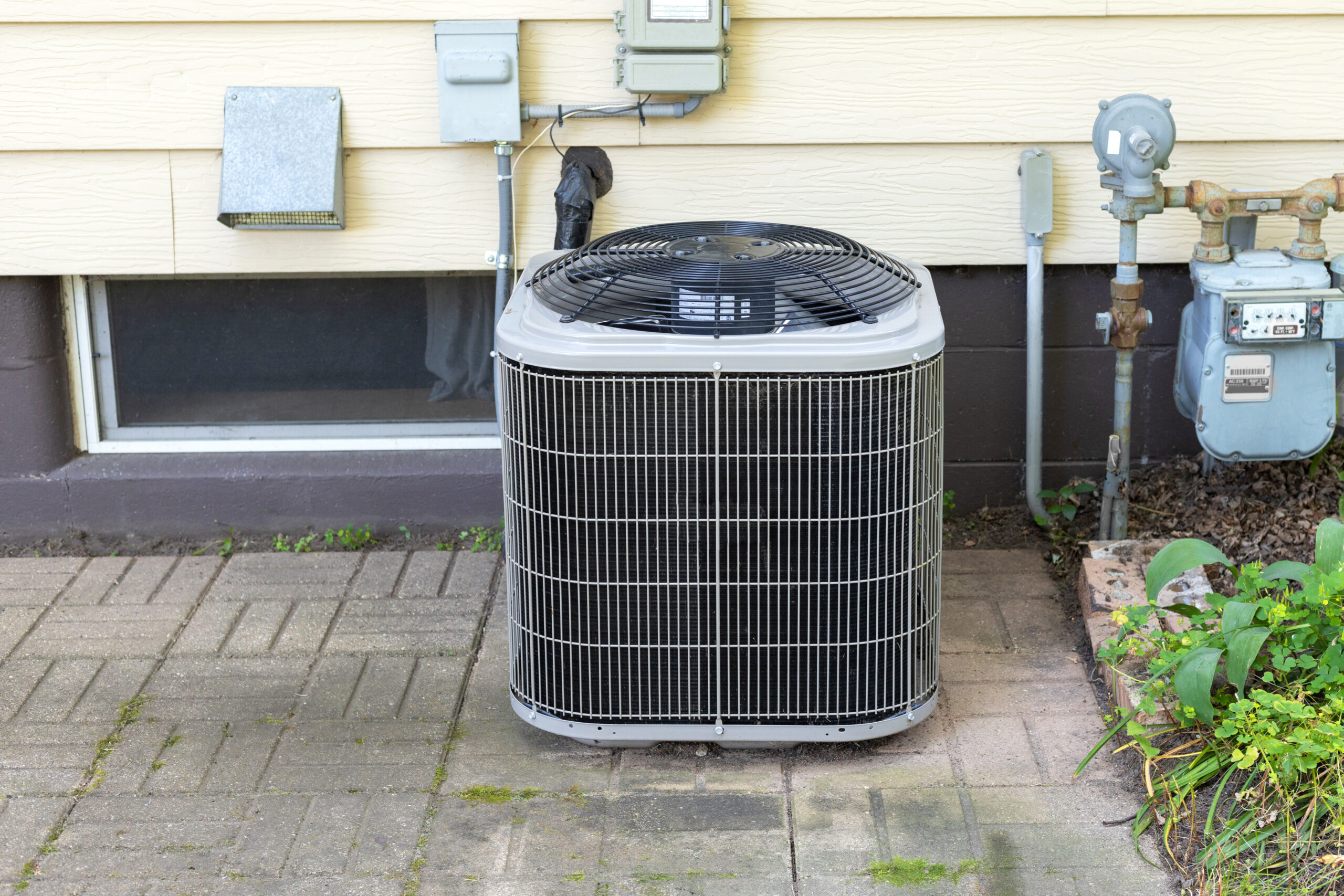
Why Is My AC Struggling in the Afternoon?
Your air conditioner seems to work just fine in the morning, but by 3 or 4 p.m., your home starts feeling warmer. You lower the thermostat, the AC keeps running, and yet the temperature inside doesn't seem to budge.
Sound familiar?
For homeowners in Santa Fe, Los Alamos, Española, and throughout Northern New Mexico, late-summer afternoon heat can put an HVAC system to the test. August brings strong sunshine and high daytime temperatures, and an air conditioner that has already been working hard all summer may begin showing signs of trouble.
If your AC struggles to keep your home comfortable during the hottest part of the day, there are several possible reasons.
Your AC Is Working Against Peak Afternoon Heat
The hottest part of the day doesn't always occur at noon. Homes continue absorbing heat throughout the afternoon, especially through roofs, walls, windows, and doors exposed to direct sunlight.
By late afternoon, your air conditioner may be dealing with both high outdoor temperatures and heat that has accumulated inside the structure. This is especially noticeable in rooms with large west-facing windows or limited shade.
Northern New Mexico's high elevation and intense sunlight can also contribute to afternoon heat gain. Even when outdoor temperatures don't seem extreme compared with other parts of the Southwest, strong sunshine can heat roofs, walls, and windows throughout the day.
Some increase in AC runtime during these hours can be normal. However, if your home becomes noticeably uncomfortable every afternoon or your system runs constantly without reaching the thermostat setting, it may be worth having the system checked.
A Dirty Air Filter Could Be Restricting Airflow
One of the simplest problems can also have a major impact on HVAC performance.
Your air conditioner needs adequate airflow to cool your home efficiently. When an HVAC filter becomes clogged with dust, pet hair, pollen, and other debris, it can restrict airflow through the system.
That's particularly important in New Mexico, where dust, wind, and dry conditions can contribute to dirty filters. Monsoon season can also bring additional dust and debris into the air.
Check your filter regularly and replace it according to the manufacturer's recommendations. Homes with pets, ongoing construction, or higher levels of dust may need filters checked more frequently.
If you've changed the filter and airflow still seems weak, there may be another issue that requires professional attention.
Your Outdoor AC Unit May Be Dirty
Your outdoor condenser has an important job: releasing heat from your home to the outdoors.
Over time, dirt, leaves, weeds, grass clippings, and other debris can accumulate around the outdoor equipment. New Mexico's wind and dust can make keeping this area clear especially important.
When airflow around the outdoor unit is restricted, your cooling system may have to work harder to remove heat from your home. That additional strain can become much more noticeable during the hottest hours of the afternoon.
Homeowners can visually check the area around their outdoor equipment and make sure vegetation and debris aren't blocking airflow. More involved cleaning, inspection, and servicing should be performed by a qualified HVAC technician to avoid damaging components.
Your Thermostat Could Be Part of the Problem
Sometimes the issue isn't the air conditioner itself.
Thermostat location can affect how your HVAC system responds to indoor temperatures. A thermostat exposed to direct sunlight, drafts, nearby appliances, or other unusual temperature conditions may not accurately represent how the rest of your home feels.
Older thermostats can also develop problems that affect temperature readings or communication with the HVAC equipment.
A programmable or smart thermostat may provide better control over your cooling schedule, particularly if your home is empty during part of the day. You can adjust temperatures around your household's schedule rather than making large changes once the house has already become hot.
Your Home May Have Airflow Problems
If certain rooms become significantly warmer than others in the afternoon, your AC system may not be the only factor.
Airflow problems can make it difficult to distribute conditioned air evenly throughout your home. Duct issues, closed or blocked vents, system design, insulation, and the amount of direct sunlight a room receives can all contribute to uneven temperatures.
For example, a west-facing bedroom may become much warmer in the late afternoon than an interior room with limited sun exposure.
Don't automatically close multiple vents in an attempt to force more air into another room. HVAC systems are designed around specific airflow requirements, and significantly changing that airflow can sometimes create additional problems.
An HVAC professional can help determine whether the issue is related to the equipment, airflow, ductwork, or another part of your home's comfort system.
Your Ductwork Could Be Losing Cool Air
Your AC may be producing plenty of cool air, but that doesn't necessarily mean all of it is reaching your living spaces.
Leaks, disconnected sections, damaged ductwork, or poorly insulated ducts can allow conditioned air to escape before it reaches the vents. If ductwork passes through an attic, crawlspace, garage, or another unconditioned area, those losses can become particularly noticeable during hot afternoons.
Ductwork problems may contribute to rooms that never seem comfortable, weak airflow from certain vents, or an HVAC system that runs for long periods.
If you're experiencing persistent comfort problems despite having a functioning air conditioner, having the overall system evaluated can help identify where conditioned air may be getting lost.
Insulation and Windows Can Affect AC Performance
Sometimes an air conditioner is blamed for a problem that actually begins with the home itself.
Insufficient insulation can allow outdoor heat to enter your home more quickly. Older windows, gaps around doors, and other areas of air leakage can also make it harder to maintain a comfortable indoor temperature.
Direct afternoon sunlight can be particularly challenging. Rooms with large west- or south-facing windows may experience significant heat gain as the day progresses.
Window coverings, appropriate shading, weather sealing, and adequate insulation can all work alongside your HVAC system to improve comfort.
If your AC has been professionally inspected and is operating properly but the house still becomes extremely warm every afternoon, it may be worth considering the home's overall energy efficiency.
Your Air Conditioner May Need Maintenance
By August, your cooling system has already put in months of work.
If maintenance hasn't been performed recently, dirt and wear can begin affecting system performance. A professional HVAC inspection can identify issues that may be reducing your system's ability to cool effectively.
During professional service, a technician can evaluate system operation, airflow, electrical components, and other important areas of the equipment. If something isn't operating correctly, finding it before the system completely fails can save you from an uncomfortable surprise.
If your AC seems to be working harder than it did at the beginning of summer, don't automatically assume it's just because it's hot outside.
Your AC Could Be the Wrong Size
Bigger isn't always better when it comes to air conditioning.
An HVAC system should be appropriately sized for the home. A system that's too small may struggle to meet cooling demands during the hottest periods. An oversized system can create a different set of comfort and efficiency problems.
Proper HVAC sizing considers much more than square footage. Windows, insulation, ceiling height, home orientation, construction, sun exposure, and other factors can affect cooling requirements.
If your system has struggled during hot weather since it was installed, improper sizing could be one factor worth investigating.
This can also become an issue when a home has been expanded or remodeled. Adding finished living space without considering the existing HVAC system's capacity can change the home's heating and cooling requirements.
Your Air Conditioner May Be Getting Older
Even a well-maintained air conditioner won't last forever.
As equipment ages, components can wear down and performance may decline. You may begin noticing that the system runs longer, needs more frequent repairs, or has difficulty maintaining comfortable temperatures.
You might also notice that you're calling for repairs more often than you used to. One repair doesn't necessarily mean it's time for replacement, but recurring problems can make it worth discussing your options.
This doesn't automatically mean you need a new system. A qualified HVAC technician can inspect the equipment and help determine whether a repair makes sense or whether it's time to start considering replacement.
Planning ahead is much easier than having to make that decision after your AC stops working on a hot August afternoon.
Could a Mini-Split Help With a Problem Room?
Sometimes the entire house isn't uncomfortable—it's one particular room.
Home additions, converted garages, home offices, sunrooms, casitas, and other spaces may have heating and cooling needs that differ from the rest of the home. If modifying the existing duct system isn't practical, a ductless mini-split may be an option.
Mini-splits provide targeted heating and cooling without requiring traditional ductwork. They can be particularly useful for spaces that weren't included in the home's original HVAC design.
A professional evaluation can help determine whether improving existing airflow or installing a separate comfort solution makes more sense.
Should You Turn Your Thermostat Way Down?
When the house feels hot, it's tempting to lower the thermostat several degrees in hopes that the AC will cool the house faster.
But setting the thermostat dramatically lower doesn't make most traditional air conditioners produce colder air or cool the home faster. It can simply cause the system to continue running longer.
Instead, try maintaining a consistent, comfortable thermostat setting. Large temperature adjustments during the hottest part of the afternoon may require your system to work for an extended period to catch up.
If your thermostat is set to a reasonable temperature and your AC can't keep up, continually lowering the setting won't address the underlying problem.
That's when it's time to find out why the system is struggling.
Don't Ignore an AC That's Losing Ground
A little extra runtime during a hot New Mexico afternoon isn't necessarily a problem. But there is a difference between an AC working hard and one that simply can't keep up.
Pay attention to how your system behaves throughout the day. If the temperature inside slowly climbs despite the AC running continuously, there may be a performance, airflow, or home-efficiency issue worth investigating.
Call for professional HVAC service if you notice problems such as:
- The AC runs constantly without reaching the thermostat setting
- Airflow from the vents is unusually weak
- Some rooms are significantly warmer than others
- The system repeatedly turns on and off
- Your AC is making unusual noises
- Your energy use suddenly increases
- The system is blowing warm or insufficiently cool air
- You notice unusual odors when the AC is running
- The system frequently needs repairs
Addressing these problems early may help prevent an unexpected breakdown and give you more time to decide on the best solution.
Get Your HVAC System Ready for the Change of Seasons
August is also a good time to start thinking beyond air conditioning.
Northern New Mexico can transition from warm afternoons to chilly evenings relatively quickly as fall approaches. Your cooling system may still be working hard during the day while cooler nighttime temperatures remind you that the heating season isn't far away.
Scheduling HVAC service in late summer gives you an opportunity to address cooling problems while also preparing for the changing season. Instead of waiting until the first cold night to discover a heating problem, you can make sure your home's HVAC equipment is ready ahead of time.
AC Service in Santa Fe and Northern New Mexico
August heat can expose weaknesses in an HVAC system that weren't obvious earlier in the summer. If your air conditioner works well in the morning but struggles every afternoon, there may be more going on than simply hot weather.
Pro-Tech Air Conditioning & Heating provides professional HVAC services for homeowners throughout Santa Fe, Los Alamos, White Rock, Española, Rio Rancho, and surrounding New Mexico communities.
Whether your system needs maintenance, repair, improved airflow, or it's time to discuss replacement options, the Pro-Tech team can evaluate your equipment and help you find the right solution for your home.
Don't spend the rest of August adjusting the thermostat and hoping your home eventually cools down.
Contact Pro-Tech Air Conditioning & Heating today to schedule HVAC service and keep your home comfortable through the rest of the New Mexico summer and into fall.
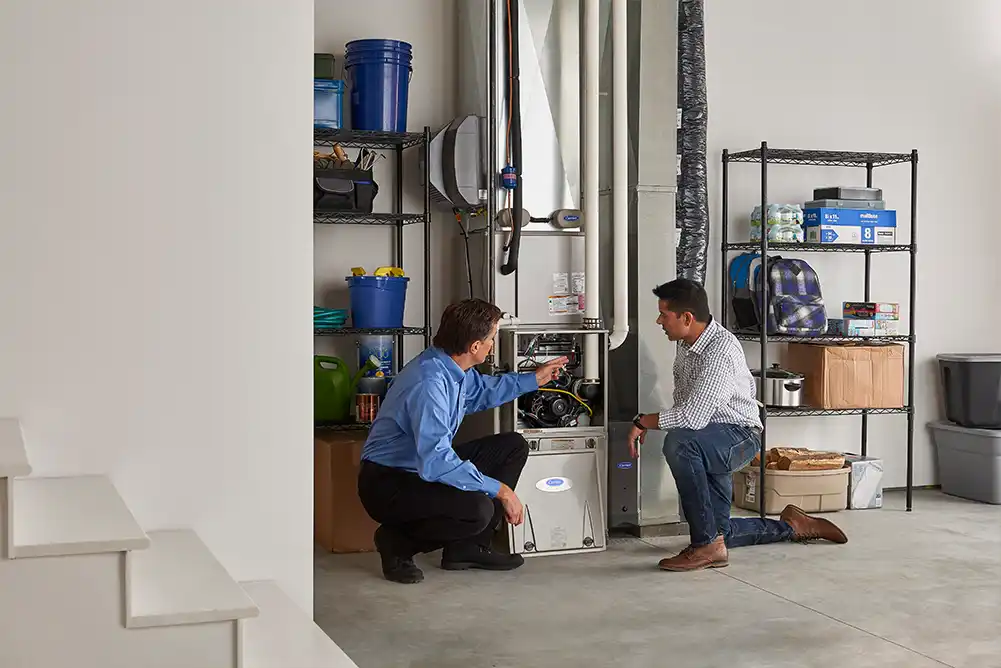
How To Perform Basic AC Maintenance At Home in Rio Rancho, NM
Have you ever noticed your air conditioner working harder than it should just as the Rio Rancho summer heat settles in? When June arrives in Rio Rancho, NM, homeowners are no strangers to dry desert air, long sunny days, and temperatures that can quickly climb into the 90s and even triple digits. In a climate like this, your AC system is not just a comfort item. It is a necessity that works overtime to keep your home livable.
The good news is that a few simple maintenance steps at home can go a long way in keeping your system efficient, reliable, and ready for the peak of summer. Understanding what you can safely do yourself also helps you catch small issues before they turn into costly repairs.
Below is a practical, homeowner-friendly guide to basic AC maintenance you can perform at home in Rio Rancho, NM.
Why AC Maintenance Matters in Rio Rancho’s Climate
Rio Rancho sits in a high desert environment, which means hot summers, low humidity, and dusty conditions. These factors put extra strain on HVAC systems, especially during peak cooling season.
When your AC runs continuously in extreme heat, even small inefficiencies can lead to higher energy bills and reduced cooling performance. According to the U.S. Department of Energy, replacing a dirty air filter alone can lower energy consumption by 5% to 15% depending on system conditions and usage patterns.
In dry, dusty environments like central New Mexico, filters and outdoor units tend to clog faster, which makes regular maintenance even more important than in milder climates.
Basic AC Maintenance Homeowners Can Do Safely
While professional tune-ups are essential, there are several important maintenance tasks homeowners can handle themselves. These steps help improve airflow, efficiency, and overall system performance.
Check and Replace Your Air Filter Regularly
Your air filter is one of the most important components of your HVAC system. It traps dust, pollen, pet dander, and other airborne particles before they enter your system.
In a place like Rio Rancho, where dust is common, filters often get dirty faster than expected.
A clogged filter can:
- Restrict airflow
- Increase energy usage
- Cause uneven cooling
- Put strain on your system’s blower motor
As a general rule, most homeowners should check filters monthly and replace them every 1 to 3 months depending on usage, pets, and dust levels.
ENERGY STAR recommends regular filter replacement as a simple way to improve system efficiency and indoor air quality: https://www.energystar.gov
Keep the Outdoor Unit Clean and Clear
Your outdoor condenser unit plays a major role in releasing heat from your home. If it becomes blocked by debris, grass, or dirt, your system has to work much harder to cool your home.
Here is what you can safely do:
- Clear leaves, weeds, and debris from around the unit
- Maintain at least 2 feet of clearance on all sides
- Gently rinse the unit with a garden hose to remove dust buildup
- Trim nearby shrubs or grass
In desert environments like Rio Rancho, dust buildup on condenser coils is especially common. Even a thin layer of dirt can reduce efficiency and limit heat transfer.
Inspect and Clean Air Vents Inside Your Home
Blocked or dirty vents can disrupt airflow throughout your home and make your system work harder than necessary.
Walk through your home and:
- Make sure vents are fully open
- Remove dust buildup with a vacuum or soft cloth
- Ensure furniture or curtains are not blocking airflow
Balanced airflow helps maintain consistent temperatures and reduces hot spots in different rooms.
Check Your Thermostat Settings and Performance
Your thermostat is the control center of your cooling system. If it is not working correctly, your AC may run longer than necessary or cycle on and off inefficiently.
Simple things to check include:
- Setting your thermostat to “cool” mode
- Ensuring temperature settings are consistent
- Replacing batteries if the display is weak or unresponsive
- Considering a programmable or smart thermostat for better efficiency
The U.S. Department of Energy notes that setting your thermostat closer to 78°F when at home can help balance comfort and energy savings during cooling season: https://www.energy.gov/energysaver/thermostats
Keep an Eye on the Condensate Drain Line
Your AC removes humidity from the air as it cools your home, and that moisture drains through a condensate line. Over time, this line can become clogged with algae, dust, or debris.
Warning signs of a clogged drain line include:
- Water pooling near the indoor unit
- Musty odors near vents or air handler
- AC shutting off unexpectedly
Homeowners can sometimes prevent clogs by visually checking the line and ensuring it is draining properly. However, deeper blockages may require professional cleaning.
Signs Your AC Needs More Than Basic Maintenance
While DIY maintenance helps, there are clear warning signs that your system may need professional attention.
Weak or Warm Airflow
If your AC is running but the air coming from vents feels weak or not cool enough, this could indicate:
- Low refrigerant levels
- Dirty coils
- Failing compressor
- Airflow restrictions
Rising Energy Bills
If your energy usage increases without changes in your habits, your HVAC system may be losing efficiency. Dirty components or aging equipment are often the cause.
Frequent Cycling or Constant Running
Your system should cycle on and off periodically. If it runs constantly or short cycles frequently, it may be struggling to maintain temperature.
Unusual Noises or Odors
Grinding, rattling, or buzzing sounds often point to mechanical issues, while musty odors can indicate mold or moisture problems inside the system.
How Often Should AC Maintenance Be Done?
Basic homeowner maintenance should be done regularly throughout the cooling season, especially in hot climates like Rio Rancho. Here is a simple guideline:
- Air filter check: every month
- Air filter replacement: every 1 to 3 months
- Outdoor unit inspection: monthly during summer
- Vent cleaning: every few months
- Professional tune-up: once per year, ideally before peak summer heat
A professional inspection can identify issues that are not visible during routine homeowner checks, such as refrigerant leaks, electrical wear, or internal component strain.
Why DIY Maintenance Is Not Enough on Its Own
Even if you stay consistent with home maintenance, your HVAC system still needs professional care to operate safely and efficiently.
A trained technician can:
- Test refrigerant levels
- Inspect electrical connections
- Clean internal coils thoroughly
- Check system pressures and airflow balance
- Identify early signs of equipment failure
Skipping professional maintenance often leads to higher repair costs and reduced system lifespan over time.
Preparing Your AC for Peak Rio Rancho Summer Heat
June is the perfect time to get your system ready before the hottest part of the season arrives. In Rio Rancho, July and August often bring intense heat along with monsoon humidity, which places even more demand on cooling systems.
Before peak heat hits, homeowners should:
- Replace or clean filters
- Clear outdoor unit surroundings
- Test cooling performance early
- Schedule a professional inspection if needed
Taking action early helps prevent emergency breakdowns when temperatures are at their highest.
When to Call a Professional Instead of DIY
There is a clear line between simple maintenance and technical repairs. You should contact an HVAC professional if you notice:
- Refrigerant leaks or ice buildup on coils
- Electrical issues or breaker trips
- Persistent airflow problems
- Strange smells that do not go away
- System not cooling despite maintenance efforts
Attempting to fix these issues without proper training can lead to further damage or safety risks.
For AC Maintenance in Rio Rancho, NM, Contact Pro-Tech Air Conditioning & Heating Today
When your AC struggles during a 100-degree Rio Rancho afternoon, it is more than an inconvenience. It can quickly become a serious comfort and safety issue for your household. Even with the best at-home maintenance routine, there comes a point where professional expertise makes all the difference.
At Pro-Tech Air Conditioning & Heating, we understand how important reliable cooling is in the New Mexico climate. Whether your system needs a seasonal tune-up, a performance check before peak summer heat, or help diagnosing a hidden issue, our team is ready to step in with timely, dependable service.
Before the heat pushes your system to its limit, make sure it is prepared to handle the season ahead. And if your AC is already showing signs of strain, it may be time to act before a small issue becomes a costly breakdown. Comfort should not be uncertain in the middle of summer, and with the right care, it does not have to be.
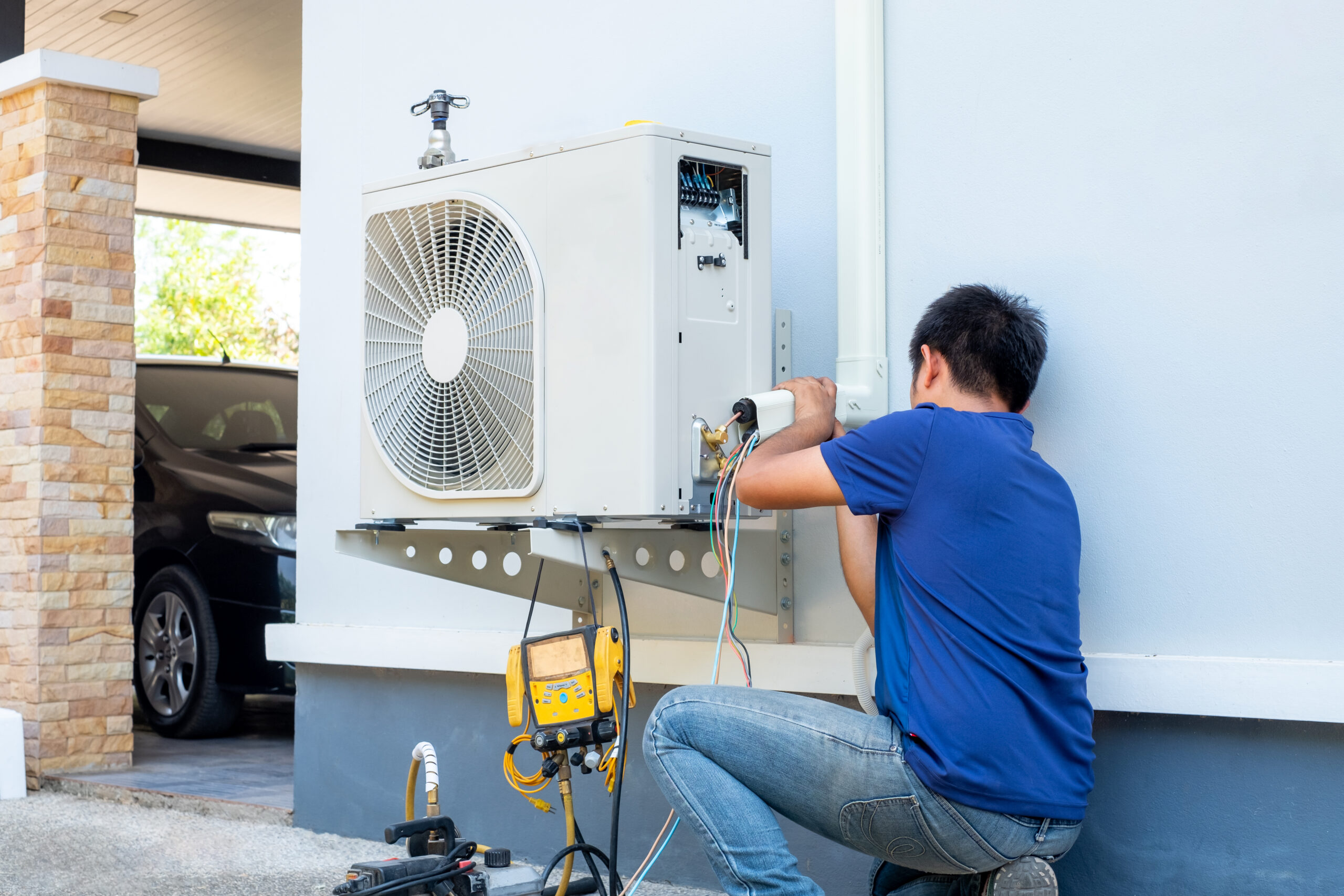
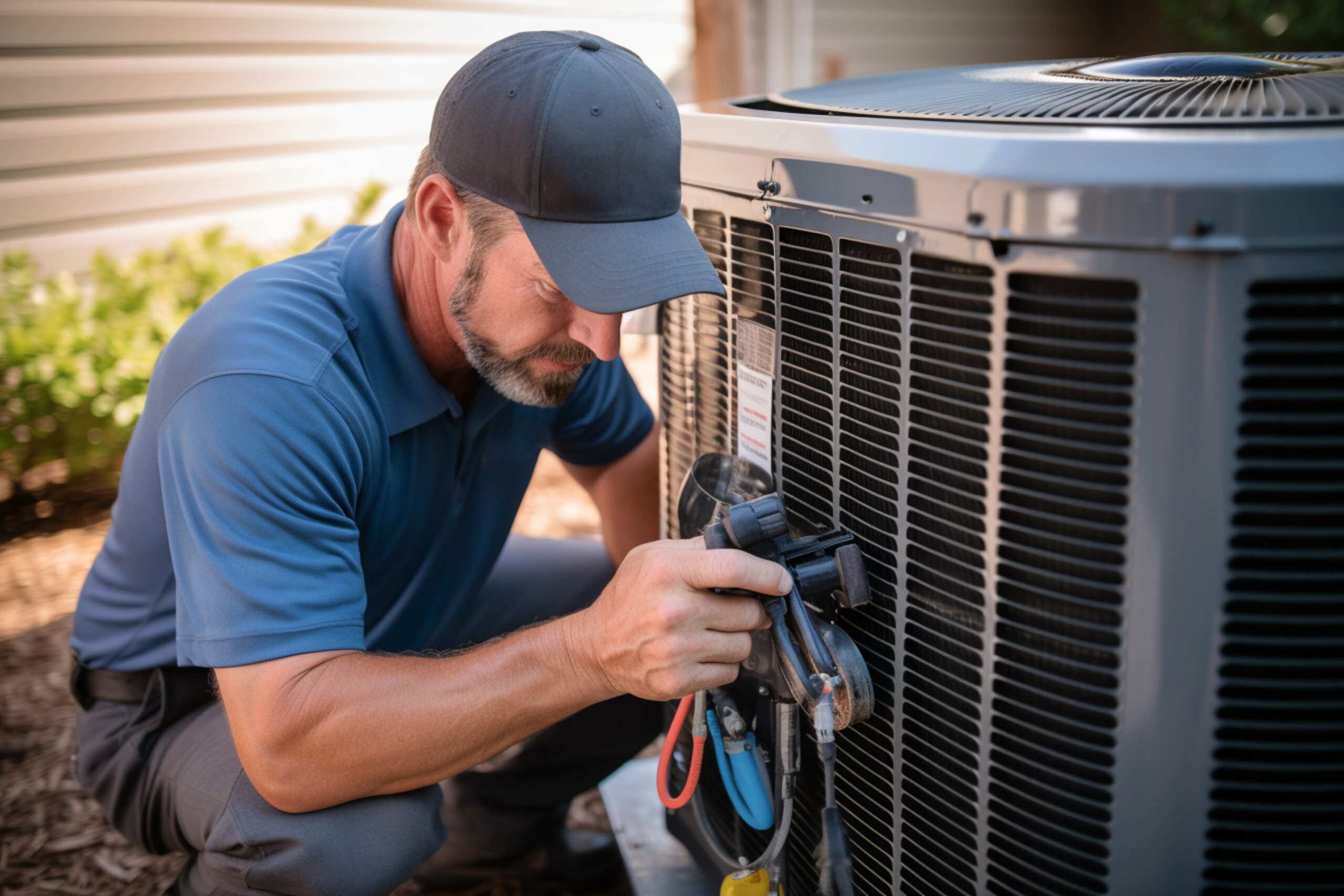
Why Your AC Isn't Cooling: Troubleshooting Tips For Rio Rancho, NM
When the spring warmth starts settling into Rio Rancho, NM in April, homeowners are usually ready to switch from heating to cooling without a second thought. But what happens when you turn on your air conditioner and instead of a refreshing wave of cool air, you get weak airflow or warm air instead? With New Mexico’s dry desert climate, rising daytime temperatures, and dust-heavy winds, a struggling AC system can quickly turn your home uncomfortable.
If your air conditioner is not cooling properly, you are not alone. This is one of the most common HVAC service concerns homeowners face in early spring and throughout the summer. The good news is that many issues can be identified early, and some even solved without major repairs. In this guide, we will walk through the most common reasons your AC may not be working efficiently, practical troubleshooting steps, and when it is time to call a professional like Pro-Tech Air Conditioning & Heating in Rio Rancho, NM.
Common Reasons Your AC Is Not Cooling Properly
Air conditioning systems are complex, but most cooling problems come from a handful of common issues. Understanding these can help you narrow down what might be happening in your home.
Dirty Air Filters Restricting Airflow
One of the simplest and most overlooked causes of poor cooling is a clogged air filter. When filters become dirty, airflow is restricted, forcing your system to work harder while delivering less cool air.
According to the U.S. Department of Energy, replacing or cleaning dirty filters can improve HVAC efficiency by 5% to 15%.
In Rio Rancho, dust and pollen are especially common in spring, which means filters clog faster than in many other regions.
Signs of a dirty filter include:
- Weak airflow from vents
- Increased dust in your home
- Longer cooling cycles
- Higher energy bills
Thermostat Problems or Incorrect Settings
Sometimes the issue is not the AC system itself, but the thermostat. Incorrect settings or malfunctioning thermostats can prevent your system from cooling properly.
Common thermostat issues include:
- Set to “fan” instead of “cool”
- Incorrect temperature settings
- Dead batteries
- Faulty calibration
Smart thermostats can also lose connection or settings after power outages, which are not uncommon during seasonal weather changes in New Mexico.
Low Refrigerant Levels or Leaks
Refrigerant is what allows your AC system to cool air. If there is a leak or low refrigerant level, your system cannot effectively remove heat from your home.
The U.S. Environmental Protection Agency (EPA) notes that refrigerant leaks not only reduce system efficiency but can also be harmful to the environment if not properly handled.
Signs of refrigerant issues include:
- Warm air coming from vents
- Hissing or bubbling noises
- Ice forming on refrigerant lines
- Long cooling cycles without reaching temperature
Dirty or Blocked Evaporator and Condenser Coils
Your AC system relies on coils to absorb and release heat. Over time, dust and debris can build up on these coils, especially in dusty climates like Rio Rancho.
When coils are dirty:
- Heat transfer becomes less efficient
- The system runs longer
- Cooling performance drops
According to ENERGY STAR, proper maintenance of HVAC components like coils can significantly improve system efficiency and reduce energy waste.
Frozen Evaporator Coil
A frozen coil may sound surprising in New Mexico’s warm climate, but it is actually a common issue. This usually happens due to restricted airflow or refrigerant problems.
If your coil freezes:
- Airflow drops significantly
- Ice may be visible on the indoor unit
- The system may stop cooling completely
Electrical or Component Failures
Air conditioners rely on electrical components like capacitors, contactors, and relays. When these fail, the system may still run but not cool properly.
Electrical issues are often signaled by:
- AC unit running but not cooling
- Frequent system cycling
- Clicking or humming sounds
Improper System Sizing
If your AC system is too small for your home, it will struggle to keep up during peak heat. On the other hand, an oversized system may cycle too frequently without properly dehumidifying or cooling evenly.
Proper sizing is essential for long-term efficiency and comfort, especially in expanding communities like Rio Rancho where home additions or renovations are common.
Leaky or Poorly Insulated Ductwork
Even if your AC system is working perfectly, cooled air may never reach your rooms if ductwork is leaking.
ENERGY STAR estimates that typical duct systems lose 20% to 30% of conditioned air due to leaks or poor insulation:
This is one of the biggest hidden causes of uneven cooling in homes.
Troubleshooting Tips Homeowners Can Try First
Before calling a professional, there are a few safe and simple steps homeowners can take to diagnose the issue.
Check Your Thermostat Settings
Start with the basics:
- Ensure it is set to “cool”
- Set temperature at least 3 to 5 degrees below room temperature
- Replace batteries if needed
- Check programmable schedules
Replace or Clean the Air Filter
If you have not replaced your filter in the last 1 to 3 months, this is one of the first things to do. In dusty climates like Rio Rancho, more frequent replacement may be necessary.
Inspect Circuit Breakers
Sometimes the outdoor unit loses power due to a tripped breaker. Check your electrical panel and reset if needed.
Clear Debris Around Outdoor Unit
Make sure your outdoor condenser unit is free of:
- Leaves
- Dirt buildup
- Grass clippings
- Nearby obstructions
A clear 2 to 3 feet of space around the unit is ideal for airflow.
Check Air Vents Inside Your Home
Blocked or closed vents can cause uneven cooling. Walk through your home and make sure all vents are open and unobstructed.
When It Is Time to Call a Professional HVAC Technician
While some issues are easy to fix, others require professional diagnosis and repair. Calling a licensed HVAC technician is the safest way to avoid further damage and ensure your system runs efficiently.
You should contact a professional if:
- Your AC is blowing warm air consistently
- You suspect a refrigerant leak
- The system is freezing repeatedly
- Airflow remains weak after filter replacement
- You hear unusual noises from the unit
- Energy bills have increased without explanation
Professional HVAC technicians have the tools to safely handle refrigerants, diagnose electrical issues, and test system performance accurately.
Preventative Maintenance for Reliable Cooling in Rio Rancho
Preventative maintenance is one of the best ways to avoid unexpected AC breakdowns, especially before peak summer heat arrives in New Mexico.
Schedule Regular Tune-Ups
Annual or bi-annual maintenance helps:
- Improve efficiency
- Extend system lifespan
- Reduce emergency repairs
- Catch small issues early
Keep Filters on a Replacement Schedule
Set reminders to check filters monthly during heavy-use seasons. In dusty environments, this small habit makes a big difference.
Clean Around Your Outdoor Unit
Trim plants and remove debris regularly. Dust storms in the Rio Rancho area can quickly reduce airflow if buildup is ignored.
Check Ductwork Periodically
If certain rooms always feel warmer, it may be worth having ducts inspected for leaks or poor insulation.
How Rio Rancho’s Climate Impacts AC Performance
Rio Rancho’s climate creates unique challenges for air conditioning systems. With hot, dry summers and frequent dust in the air, HVAC systems often work harder than expected.
Key climate-related stress factors include:
- High daytime temperatures that push systems to run longer cycles
- Dry air that increases dust buildup in filters and coils
- Seasonal winds that carry debris into outdoor units
The combination of these conditions can shorten system lifespan if maintenance is neglected. According to ENERGY STAR, proper HVAC maintenance and upgrades can reduce overall energy use by up to 20%.
Understanding Energy Efficiency and Rising Utility Costs
When your AC is not cooling properly, it often uses more energy to try to compensate. This leads to higher utility bills without improved comfort.
Even small inefficiencies like a clogged filter or dirty coil can increase energy consumption significantly over time. That is why routine maintenance is not just about comfort, but also about controlling long-term costs.
Homeowners in Rio Rancho should also consider system age. Most air conditioners last about 10 to 15 years depending on maintenance and usage conditions. Older systems often lose efficiency even if they are still running.
For AC Repair in Rio Rancho, NM, Contact Pro-Tech Air Conditioning & Heating Today
When your AC stops cooling in the middle of a warm Rio Rancho afternoon, it is more than an inconvenience. It affects your comfort, your sleep, and your daily routine. Whether it is weak airflow, inconsistent temperatures, or a system that just cannot keep up anymore, getting help quickly can prevent small problems from turning into major repairs.
At Pro-Tech Air Conditioning & Heating, we understand how quickly New Mexico weather can shift and how important reliable cooling is for your home. If your system is struggling, making strange noises, or simply not performing the way it should, our team is ready to help diagnose the issue and restore comfort to your home.
Before the heat hits full force, make sure your system is ready. And if it is already falling behind, we are here to step in with dependable service, honest recommendations, and solutions designed to keep your home comfortable all season long.
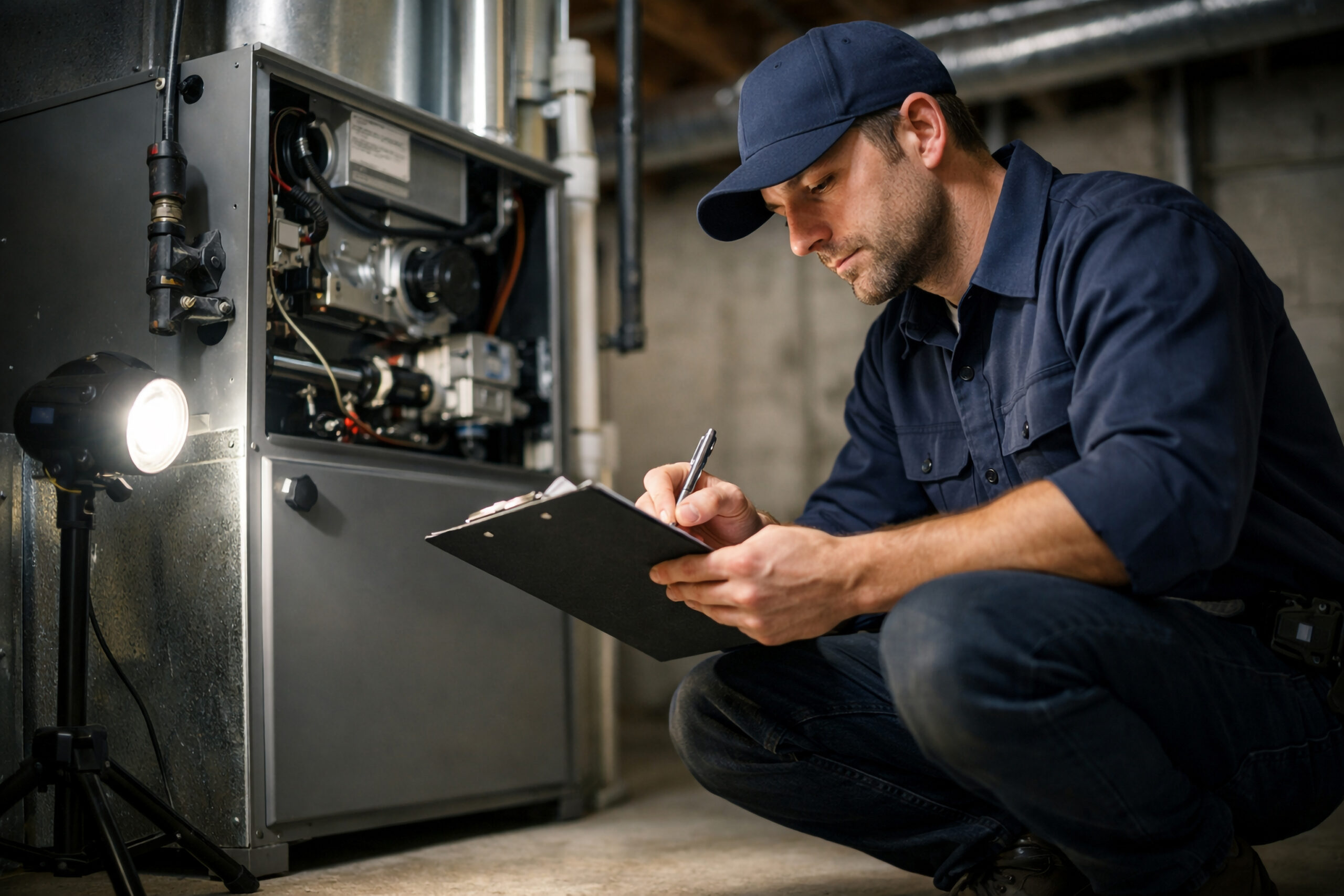
How To Choose the Right Heating Contractor For Spring Maintenance in Santa Fe, NM
As the snow melts from the high desert and the days grow longer in Santa Fe, NM, many homeowners are turning their thoughts from winter warmth to spring comfort. But before you fully switch gears and think about cooling, it’s critical to make sure your heating system is in top shape. Have you ever noticed your heating system acting up just as the temperatures start to rise? Even when the cold seems behind us, spring maintenance can save you headaches, high energy bills, and unexpected breakdowns. Choosing the right heating contractor ensures your system runs efficiently, safely, and reliably—long before the next winter hits.
In this guide, we’ll walk through everything Santa Fe homeowners need to know about selecting a professional heating contractor for spring maintenance. From checking qualifications to understanding maintenance packages, this blog will make your decision simple and stress-free.
Why Spring Heating Maintenance Matters in Santa Fe
Spring in Santa Fe is a season of transition. While daytime temperatures can rise into the 60s and 70s, nighttime lows may still dip below freezing. This fluctuation puts stress on heating systems, especially after months of heavy use during winter.
Performing heating maintenance in spring ensures your system:
-
Runs efficiently, saving energy and lowering utility bills
-
Prevents small problems from becoming costly repairs
-
Maintains safe operation, reducing the risk of carbon monoxide leaks or electrical hazards
-
Extends the lifespan of your system, which is especially important for units over 10 years old
According to ENERGY STAR, regular HVAC maintenance can improve system efficiency by 20% or more. Taking care of your heater in the spring sets you up for both comfort and savings in the seasons ahead.
Key Qualities to Look for in a Heating Contractor
Choosing the right heating contractor is more than picking the first name that appears online. Here are the qualities that distinguish a reliable, professional technician from the rest:
Licensed and Insured Professionals
Always confirm that your contractor is licensed to operate in New Mexico and carries proper insurance. A license shows they have the training and knowledge required, while insurance protects you in case of accidents during maintenance.
Local Experience and Reputation
A contractor familiar with Santa Fe’s unique climate and housing stock is better equipped to handle common heating challenges in the area. Ask for local references, read online reviews, and look for companies that have served the community for several years.
Transparent Pricing and Services
A trustworthy contractor will provide clear explanations of services and avoid hidden fees. They should be able to outline what spring maintenance includes, from filter changes to system inspections.
Availability and Responsiveness
Emergencies can happen unexpectedly. Contractors who respond promptly to calls and schedule maintenance efficiently demonstrate professionalism and reliability.
Questions to Ask Before Hiring a Heating Contractor
Before scheduling maintenance, make sure your contractor can answer these key questions:
-
Are you licensed and insured in New Mexico?
-
What does your standard spring maintenance include?
-
Do you offer emergency services if my system fails unexpectedly?
-
Can you provide references from local homeowners?
-
How do you handle older systems or units with known issues?
These questions help you gauge not only their knowledge but also their customer service and accountability.
Understanding Spring Maintenance Services
Spring heating maintenance is more than just a quick tune-up. It typically includes:
Inspection of System Components
Technicians check the heat exchanger, burners, electrical connections, and controls to ensure everything is working properly and safely.
Cleaning and Lubrication
Dust and debris buildup can reduce efficiency and lead to system strain. Cleaning and lubricating components helps the system run smoothly.
Filter Replacement
Replacing air filters improves air quality and ensures the system doesn’t have to work harder than necessary.
Thermostat Calibration
A properly calibrated thermostat ensures your home stays comfortable while using energy efficiently.
System Performance Test
A full performance check allows the technician to catch minor issues before they become major problems.
Regular spring maintenance may also include recommendations for energy-saving upgrades or alerts about parts nearing the end of their lifespan.
Red Flags to Avoid When Hiring a Contractor
Even in a trustworthy market, there are red flags to watch out for:
-
Lack of a physical business address or working license
-
Extremely low estimates compared to competitors, which can indicate subpar service
-
No references or online presence
-
Pushy sales tactics rather than professional advice
-
Incomplete or vague maintenance explanations
Avoiding these warning signs helps you choose a contractor who prioritizes quality and safety over quick profit.
Comparing Local Heating Contractors in Santa Fe
When evaluating multiple contractors, it helps to compare them side by side. Here’s a simple approach:
| Feature | Contractor A | Contractor B | Contractor C |
|---|---|---|---|
| License & Insurance | ✔ | ✔ | ❌ |
| Years of Local Experience | 15 | 8 | 2 |
| Services Included | Full maintenance package | Basic inspection | Basic inspection |
| References/Reviews | Excellent | Good | Limited |
| Emergency Availability | 24/7 | Business hours | Limited |
A table like this makes it easy to see which company offers the best balance of experience, service, and reliability.
DIY vs. Professional Maintenance
While homeowners can perform basic tasks like changing filters, professional maintenance is essential for more technical aspects:
-
Inspecting the heat exchanger for cracks
-
Checking gas lines or electrical connections
-
Testing system safety controls
-
Evaluating overall efficiency and performance
Attempting complex maintenance without proper training can lead to system damage, safety hazards, and voided warranties. A licensed contractor has the tools, experience, and knowledge to do it right.
Scheduling Maintenance for Maximum Benefit
Timing matters when it comes to spring maintenance. Ideally, schedule your heating system inspection in late winter or early spring. This ensures:
-
The system is ready if late cold snaps occur
-
You avoid the rush of scheduling in the fall when everyone prepares for winter
-
Any necessary repairs can be done ahead of time, spreading costs rather than creating emergency expenses
Regular maintenance schedules, whether annual or semi-annual, help prevent unexpected breakdowns and keep your system running efficiently for years.
Energy Efficiency and Cost Savings
Spring maintenance isn’t just about comfort—it’s about savings. An inefficient system can cost homeowners hundreds of dollars annually in wasted energy. According to the U.S. Department of Energy, simple maintenance like cleaning and tuning can reduce energy consumption by up to 20%.
A contractor can also advise on energy-efficient upgrades, such as:
-
High-efficiency filters
-
Programmable thermostats
-
Zoned heating for multi-story homes
These improvements help you stay comfortable while lowering monthly utility bills.
Safety Considerations
Heating systems, especially older models, can pose safety risks if not properly maintained. Spring maintenance addresses:
-
Carbon monoxide leaks from cracked heat exchangers
-
Gas leaks or irregular combustion
-
Electrical hazards from frayed wiring or loose connections
-
Fire hazards from accumulated dust or debris
Professional contractors conduct thorough inspections, ensuring your home stays safe for your family.
How to Evaluate Service Contracts
Some heating contractors offer service contracts that include scheduled maintenance, priority service, and discounts on repairs. When evaluating these contracts, consider:
-
What services are included and excluded
-
Response times for emergency repairs
-
Any additional fees or hidden costs
-
Flexibility for older or unique systems
A well-structured service contract can save money and stress in the long run, particularly for busy homeowners who want peace of mind.
For Heating Maintenance in Santa Fe, Contact Pro-Tech Air Conditioning & Heating Today
When it comes to maintaining your heating system in Santa Fe, timing and expertise matter. Pro-Tech Air Conditioning & Heating has served the Santa Fe community for years, helping homeowners stay comfortable and safe year-round. Our professional spring maintenance ensures your system is running efficiently, identifying minor issues before they become costly problems.
Whether your system is over a decade old, experiencing high energy bills, or you’re new to the area and want peace of mind, our experienced technicians are ready to help. We provide thorough inspections, precise maintenance, and expert advice tailored to your home and system.
Don’t wait for the next cold snap or for unexpected problems to disrupt your comfort. Schedule your spring heating maintenance with Pro-Tech Air Conditioning & Heating today and enjoy reliable warmth, lower energy bills, and a system that’s ready for the months ahead.
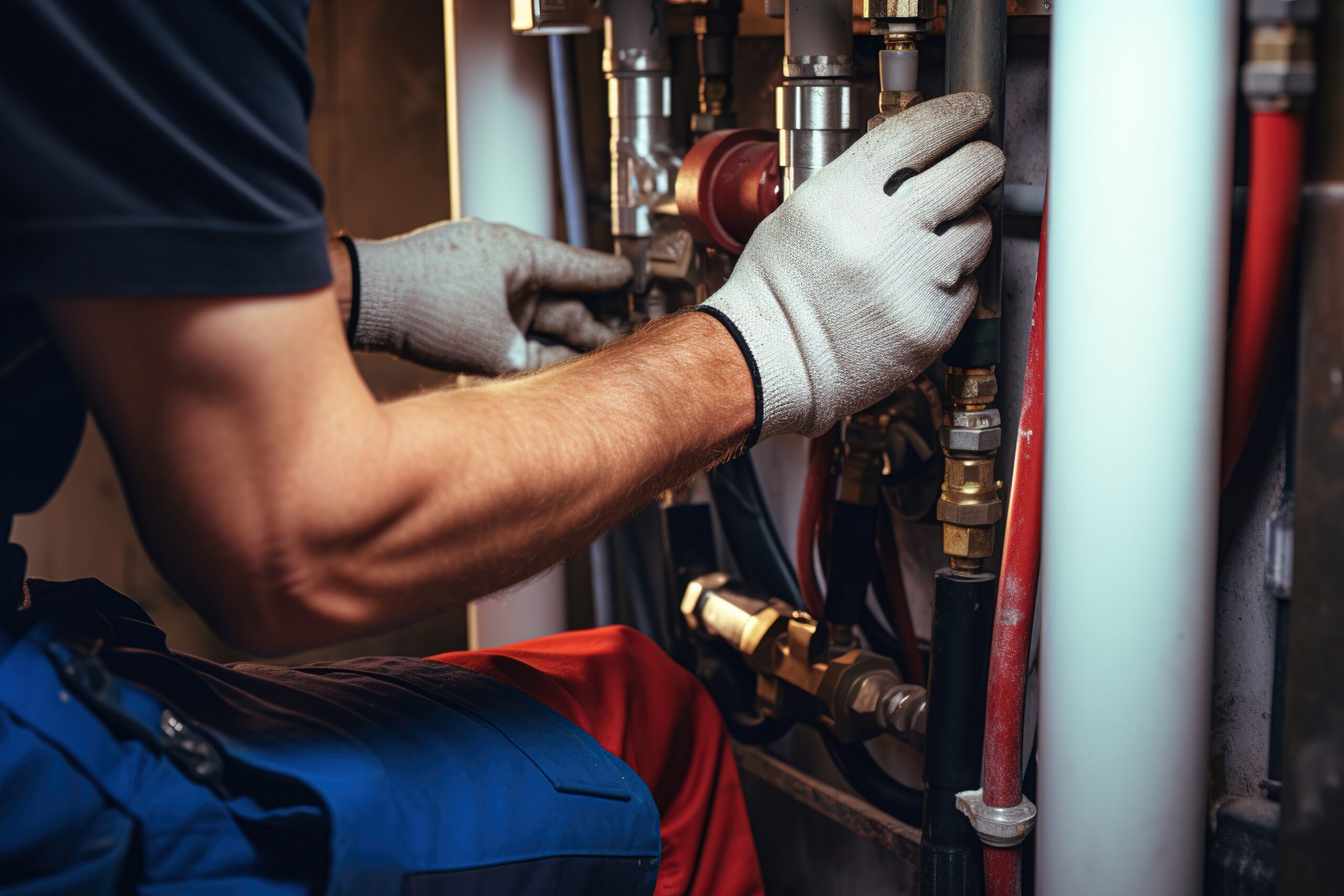
Upgrading Your Old Heater: Benefits of Heating System Installation in Rio Rancho, NM
Have you noticed that your heater struggles to keep your home warm during those chilly Rio Rancho winters? Maybe it takes longer than it used to to reach a comfortable temperature, or you’re hearing strange noises every time it kicks on. If so, it may be time to consider upgrading your old heating system. For homeowners in Rio Rancho, NM, a reliable heater is not just about comfort—it’s about safety, energy efficiency, and long-term savings.
February in Rio Rancho often brings cold nights and chilly mornings. While daytime temperatures can be mild, nighttime lows frequently dip into the 20s and 30s. That means your heating system is still working hard even as winter starts to wind down. Upgrading to a modern heating system can ensure your home stays warm and cozy, even during those sudden cold snaps.
In this blog, we’ll explore why heating system installation is a smart choice, the benefits of upgrading, and what homeowners in Rio Rancho should consider when replacing an old heater.
Signs It’s Time to Replace Your Old Heater
Before investing in a new heating system, it’s important to recognize the warning signs that your current heater is no longer performing efficiently. Here are some key indicators:
Frequent Breakdowns and Repairs
If your heater needs repairs more than once or twice each year, it may be costing you more in maintenance than a new system would. Older systems often have worn-out components that are expensive to replace and may fail unpredictably.
Rising Energy Bills
A sudden increase in your heating costs can indicate that your system is struggling to operate efficiently. Older heaters may consume more energy to produce the same amount of heat, which can be costly over time.
Uneven Heating in Your Home
If some rooms are too warm while others remain cold, your system may be failing to distribute heat properly. This is often caused by aging components, duct leaks, or outdated technology.
Strange Noises or Odors
Rattling, banging, or squealing sounds and unusual odors are signs that your heater may be experiencing mechanical issues or, worse, a safety concern. These warning signs should never be ignored.
Benefits of Installing a New Heating System
Upgrading your old heater offers a range of benefits beyond simply keeping your home warm. A modern heating system provides improved efficiency, comfort, and peace of mind.
Enhanced Energy Efficiency
New heating systems are designed to operate at higher efficiency levels, often exceeding 90% AFUE (Annual Fuel Utilization Efficiency). This means more of the energy you pay for goes into heating your home rather than being wasted. Efficient systems can help lower your monthly energy bills while reducing your environmental footprint.
Consistent Comfort Throughout Your Home
Modern heaters are equipped with advanced technology that distributes heat evenly throughout your home. You’ll notice fewer cold spots and a more consistent temperature in every room. Some systems also include zoning capabilities, allowing you to adjust temperatures in different areas independently for personalized comfort.
Improved Air Quality
Older heating systems can accumulate dust, mold, and other allergens over time. When a new system is installed, your home’s air quality can improve significantly, especially if combined with high-quality filters and proper duct maintenance. Cleaner air means a healthier environment for your family.
Quiet Operation
Today’s heating systems are quieter than ever. You’ll no longer hear loud clanking, banging, or humming as your heater runs. This contributes to a more peaceful home environment, which is especially important for households with children or light sleepers.
Reliable Performance
A new heating system provides peace of mind knowing your home will stay warm even during the coldest days of winter. Modern systems are built to last and come with warranties that protect your investment.
Types of Heating Systems for Rio Rancho Homes
When considering an upgrade, it’s helpful to understand the types of heating systems available for Rio Rancho homeowners.
Gas Furnaces
Gas furnaces are a popular choice in New Mexico due to their efficiency and ability to heat homes quickly. Modern gas furnaces can operate at efficiency ratings over 95%, providing both comfort and energy savings.
Electric Heaters
Electric heaters are a reliable option, especially for homes without access to natural gas. They are easy to install and maintain but may have higher operating costs compared to gas furnaces, depending on electricity rates.
Heat Pumps
Heat pumps provide both heating and cooling, making them a versatile option for homes in Rio Rancho. They are energy-efficient, especially in milder climates, and can help reduce your overall energy consumption.
Radiant Heating
Radiant heating systems deliver warmth through floors, walls, or ceilings, offering a comfortable, even heat throughout the home. While installation may require more upfront investment, the comfort and energy savings can be well worth it.
How a Heating System Installation Works
Understanding the installation process can help you feel more confident when upgrading your heater.
Initial Assessment
A professional technician will assess your home’s heating needs, taking into account square footage, insulation, and existing ductwork. This ensures the new system is properly sized for optimal efficiency and comfort.
Choosing the Right System
Based on the assessment, your technician will recommend a heating system that meets your needs and budget. Factors such as energy efficiency, heating capacity, and system type will guide the decision.
Professional Installation
Trained HVAC professionals will install your new heater safely and efficiently. This includes connecting ducts, vents, and electrical or gas lines, as well as testing the system to ensure it operates correctly.
System Testing and Optimization
Once installed, the system is tested to confirm it heats your home evenly and efficiently. Any adjustments are made to optimize performance, ensuring your home stays warm and comfortable.
Maintenance and Support
After installation, routine maintenance helps keep your system running efficiently and extends its lifespan. Many homeowners choose maintenance plans to catch potential issues before they become costly problems.
Long-Term Savings of a New Heating System
Investing in a new heating system can have financial benefits that go beyond immediate comfort.
Lower Energy Bills
Modern heaters use less energy to produce the same amount of heat, which can lead to noticeable reductions in your monthly utility bills.
Fewer Repairs
Older systems often require frequent repairs, which can add up quickly. A new system reduces the likelihood of unexpected breakdowns and repair costs.
Increased Home Value
Upgrading your heating system can improve your home’s resale value. Prospective buyers appreciate homes with modern, efficient HVAC systems that are ready to perform without costly upgrades.
Common Questions About Heating System Installation
How Long Does Installation Take?
Most heating system installations are completed within a day or two, depending on the complexity of the project and whether ductwork needs to be modified or replaced.
Will I Need a Permit?
Local regulations in Rio Rancho may require permits for certain types of heating installations. Professional HVAC companies typically handle the permitting process for you.
How Often Should I Maintain My Heater?
Routine maintenance should be performed at least once a year. This includes cleaning or replacing filters, inspecting components, and ensuring the system operates efficiently.
What Is the Lifespan of a New Heater?
Modern heating systems can last 15 to 20 years or more with proper maintenance. Choosing a reputable brand and professional installation ensures long-lasting performance.
Practical Tips for Homeowners Considering a Heater Upgrade
If you’re planning to upgrade your heater, these tips can help you make the best choice for your home and budget.
Compare Efficiency Ratings
Look for heaters with high AFUE ratings to maximize energy efficiency and savings. Even a small improvement in efficiency can make a significant difference over time.
Consider Zoning Options
If your home has multiple floors or areas with different heating needs, a system with zoning capabilities allows you to control temperatures independently for each zone.
Don’t Skip Professional Installation
Hiring licensed, experienced technicians ensures your new system is installed safely and operates as intended. Attempting a DIY installation can lead to costly mistakes and safety hazards.
Plan for Future Maintenance
Regular maintenance extends the lifespan of your heating system. Consider scheduling annual inspections and cleanings to prevent issues before they arise.
How Heating System Upgrades Improve Indoor Comfort
Upgrading your heating system does more than just keep your home warm. It can transform the way you experience indoor comfort during the winter months.
-
Stable Temperature: New systems maintain a consistent temperature throughout your home, eliminating cold spots.
-
Reduced Humidity Issues: Advanced systems help control indoor humidity, preventing dry air and improving comfort.
-
Quieter Operation: Modern heaters run more quietly, reducing noise disruption.
-
Cleaner Air: New filters and ducts improve indoor air quality by capturing dust, allergens, and other pollutants.
Choosing the Right HVAC Company in Rio Rancho
Selecting the right professional is crucial for a successful heating system installation. Look for companies that:
-
Have local experience in Rio Rancho and understand the regional climate
-
Offer clear estimates and transparent pricing
-
Employ licensed, trained technicians
-
Provide ongoing maintenance and support
-
Have positive customer reviews and a strong reputation in the community
Working with a trusted company ensures your investment is protected and your home stays comfortable year after year.
For Heating System Installation in Rio Rancho, Contact Pro-Tech Air Conditioning & Heating Today
Upgrading your old heater is more than just a home improvement project. It’s an investment in comfort, efficiency, and safety for your family. At Pro-Tech Air Conditioning & Heating, we understand the unique needs of Rio Rancho homeowners and provide professional heating system installations tailored to your home.
Our team of licensed and experienced technicians ensures every installation is performed safely, efficiently, and with your long-term comfort in mind. From selecting the right system to expert installation and ongoing maintenance, we are committed to delivering reliable heating solutions that you can trust.
Don’t let an old, inefficient heater leave your home cold this winter. Contact Pro-Tech Air Conditioning & Heating today to learn how we can upgrade your heating system and keep your Rio Rancho home warm, comfortable, and energy-efficient for years to come.
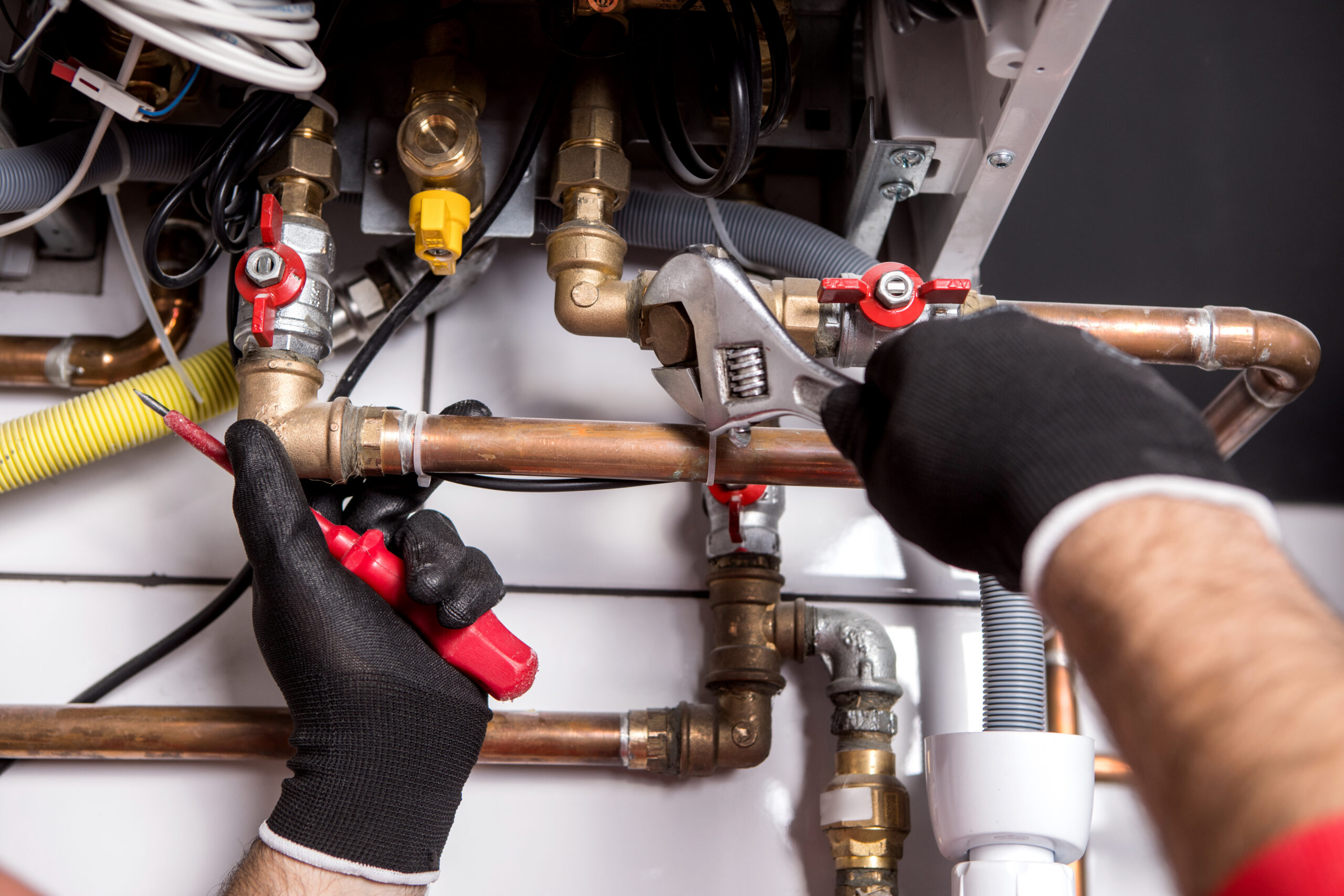
DIY Fixes or Call For HVAC Repair Near Me in Santa Fe, NM? What Homeowners Need To Know Before Deciding
Are you staring at your thermostat and wondering whether you can handle your HVAC problem yourself, or if it’s time to call a professional? As a homeowner in Santa Fe, NM, you know that winter months can bring chilly nights and occasional cold snaps. While the sun often shines during the day, temperatures can dip sharply at night, making a properly functioning heating system essential for comfort and safety. Deciding between a DIY fix or calling for HVAC repair isn’t always straightforward. Understanding the risks, costs, and benefits can help you make the right decision for your home and family.
Understanding the Importance of Your HVAC System
Your heating, ventilation, and air conditioning system is more than just a way to stay warm or cool. It regulates indoor air quality, humidity, and overall comfort. A malfunctioning HVAC system can lead to:
-
Uneven temperatures across your home
-
Poor air quality that may trigger allergies
-
Increased energy bills due to inefficiency
-
Potential safety hazards like carbon monoxide leaks in gas-powered systems
In Santa Fe, where winter nights can drop below freezing and summer afternoons can climb into the 80s, a reliable HVAC system isn’t a luxury. It’s a necessity for both comfort and safety.
Common HVAC Problems Homeowners Encounter
Before deciding on a DIY fix, it’s helpful to know the issues most homeowners face. Common problems include:
-
Thermostat malfunctions – Sometimes, a simple recalibration is all that’s needed.
-
Clogged air filters – This is often an easy fix and can improve airflow and efficiency.
-
Frozen coils – Usually caused by airflow issues or low refrigerant.
-
Strange noises – Rattling, buzzing, or hissing can indicate loose parts or refrigerant leaks.
-
Frequent cycling – The system turns on and off more than usual, often due to sensor or electrical issues.
Some of these issues are minor and can be addressed with basic maintenance, but others may require professional attention to prevent damage or safety risks.
The Pros and Cons of DIY HVAC Repairs
DIY repairs can be tempting. They offer potential cost savings and a sense of control. However, there are both advantages and risks to consider.
Pros of DIY HVAC Repairs:
-
Immediate action – You don’t have to wait for a technician.
-
Lower short-term cost – Fixing simple issues like changing filters or checking circuit breakers can save money.
-
Learning opportunity – You gain knowledge about your home system.
Cons of DIY HVAC Repairs:
-
Risk of injury – HVAC systems involve electricity, gas, and moving parts. Mistakes can be dangerous.
-
Potential for worsening problems – Incorrect repairs can lead to costly damage.
-
Warranty concerns – DIY work may void warranties on your system.
-
Limited diagnostic tools – Professionals have specialized equipment to detect issues you might miss.
While a simple filter change or thermostat reset is usually safe, more complicated problems like refrigerant leaks, electrical issues, or malfunctioning compressors should be left to trained technicians.
Simple DIY Fixes You Can Try Safely
If you want to start with small, low-risk fixes before calling for professional help, consider these steps:
-
Check the thermostat – Make sure it’s set to the right temperature and mode. Replace batteries if needed.
-
Replace air filters – Dirty filters reduce efficiency and airflow. Replace them regularly during winter months.
-
Inspect vents and registers – Make sure nothing is blocking airflow in your home.
-
Check the circuit breaker – Ensure the HVAC unit has power and hasn’t tripped the breaker.
-
Clean around the outdoor unit – Remove leaves, dust, and debris from outside units to improve efficiency.
These tasks are generally safe for most homeowners and can sometimes resolve minor issues without the need for professional repair.
When It’s Time to Call for HVAC Repair Near Me
Even with basic DIY skills, some problems are best handled by a professional. Situations that require expert attention include:
-
No heat or cooling at all – Could indicate a major system failure.
-
Strange smells – Burning smells, gas odors, or musty air can be dangerous.
-
Unusual noises – Persistent banging, squealing, or humming could indicate internal damage.
-
Water leaks – Standing water around your HVAC system may point to a blocked condensate line or refrigerant leak.
-
Rapid cycling or inconsistent temperatures – May require professional diagnostics.
Professional technicians not only fix the problem but also ensure your system operates safely and efficiently, protecting your home and your investment.
The Risks of Ignoring HVAC Problems
Putting off HVAC repairs can seem harmless, but the consequences can be serious. Ignored problems can lead to:
-
Increased energy bills – Systems that struggle to work efficiently consume more energy.
-
System breakdowns – Small issues can escalate into major failures requiring replacement.
-
Health risks – Poorly maintained systems can circulate allergens, mold, and, in gas-powered units, carbon monoxide.
-
Decreased lifespan – Regular maintenance and timely repairs help your system last longer.
Addressing problems early is often safer, more cost-effective, and less stressful than waiting until an emergency occurs.
How Professionals Diagnose HVAC Issues
HVAC technicians use specialized tools and methods to identify the root cause of problems quickly and accurately. Their approach typically includes:
-
Visual inspection – Checking for obvious damage, leaks, or loose components.
-
Electrical testing – Measuring voltage and current to detect faulty wiring.
-
Refrigerant checks – Ensuring the system has the proper levels for efficient operation.
-
Airflow analysis – Identifying obstructions or ductwork issues that may affect performance.
-
System performance review – Testing heating and cooling output against manufacturer specifications.
This level of diagnostic precision is difficult to achieve with DIY methods, and it often prevents repeated visits or wasted time.
Cost Considerations: DIY vs. Professional Repair
While homeowners may try DIY repairs to save money, it’s important to weigh the potential costs:
| Factor | DIY Repair | Professional Repair |
|---|---|---|
| Upfront cost | Low for simple tasks | Higher, but includes labor and parts |
| Risk of error | High, may worsen problem | Low, professionals are trained |
| Long-term savings | Limited | Can prevent expensive future repairs |
| Safety | Moderate to low, depending on task | High, safety protocols in place |
| Warranty impact | May void warranty | Preserves manufacturer and service warranties |
In many cases, the initial investment in professional repair pays off by extending the life of your system and improving energy efficiency.
Seasonal HVAC Maintenance Tips for Santa Fe Homeowners
Proper maintenance can prevent many common HVAC problems and reduce the need for emergency repairs. Homeowners in Santa Fe should consider:
-
Pre-winter checkups – Have a professional inspect your heating system before cold weather hits.
-
Regular filter replacement – Every 1–3 months depending on usage.
-
Cleaning vents and ducts – Reduces dust, allergens, and airflow issues.
-
Checking insulation and sealing leaks – Ensures your system works efficiently.
-
Monitoring thermostat settings – Use programmable thermostats to save energy and maintain comfort.
Routine maintenance not only improves comfort but can prevent costly breakdowns during peak winter months.
Red Flags That DIY Won’t Solve
Even with basic troubleshooting skills, some signs indicate it’s time to contact a professional immediately:
-
Persistent water leaks from your unit
-
Electrical sparking or burning smells
-
Continuous cycling or system failure to start
-
Strange noises that don’t resolve after cleaning or adjusting filters
-
Visible damage to internal components
Ignoring these red flags or attempting DIY fixes can put your safety and your HVAC system at risk.
Finding a Trusted HVAC Repair Service in Santa Fe
When searching for "HVAC repair near me" in Santa Fe, look for professionals who are:
-
Licensed and insured
-
Experienced with both heating and cooling systems
-
Responsive and available for emergency service
-
Transparent about pricing and services
-
Recommended by local customers
Pro-Tech Air Conditioning & Heating meets all these standards, providing reliable solutions for Santa Fe homeowners who want peace of mind and quality service.
For HVAC Repair Near Me in Santa Fe, Contact Pro-Tech Air Conditioning & Heating Today
Choosing between DIY fixes and professional repair isn’t always easy. While some minor issues can be handled at home, many HVAC problems require the expertise, tools, and safety knowledge of a trained technician. For Santa Fe homeowners, relying on a professional ensures your system works efficiently, safely, and reliably—especially during the colder months.
At Pro-Tech Air Conditioning & Heating, we understand the unique climate and needs of Santa Fe residents. Our experienced team provides thorough inspections, accurate diagnostics, and high-quality repairs that keep your home comfortable year-round. Don’t take chances with your heating or cooling system. Contact Pro-Tech Air Conditioning & Heating today for dependable service and solutions you can trust.
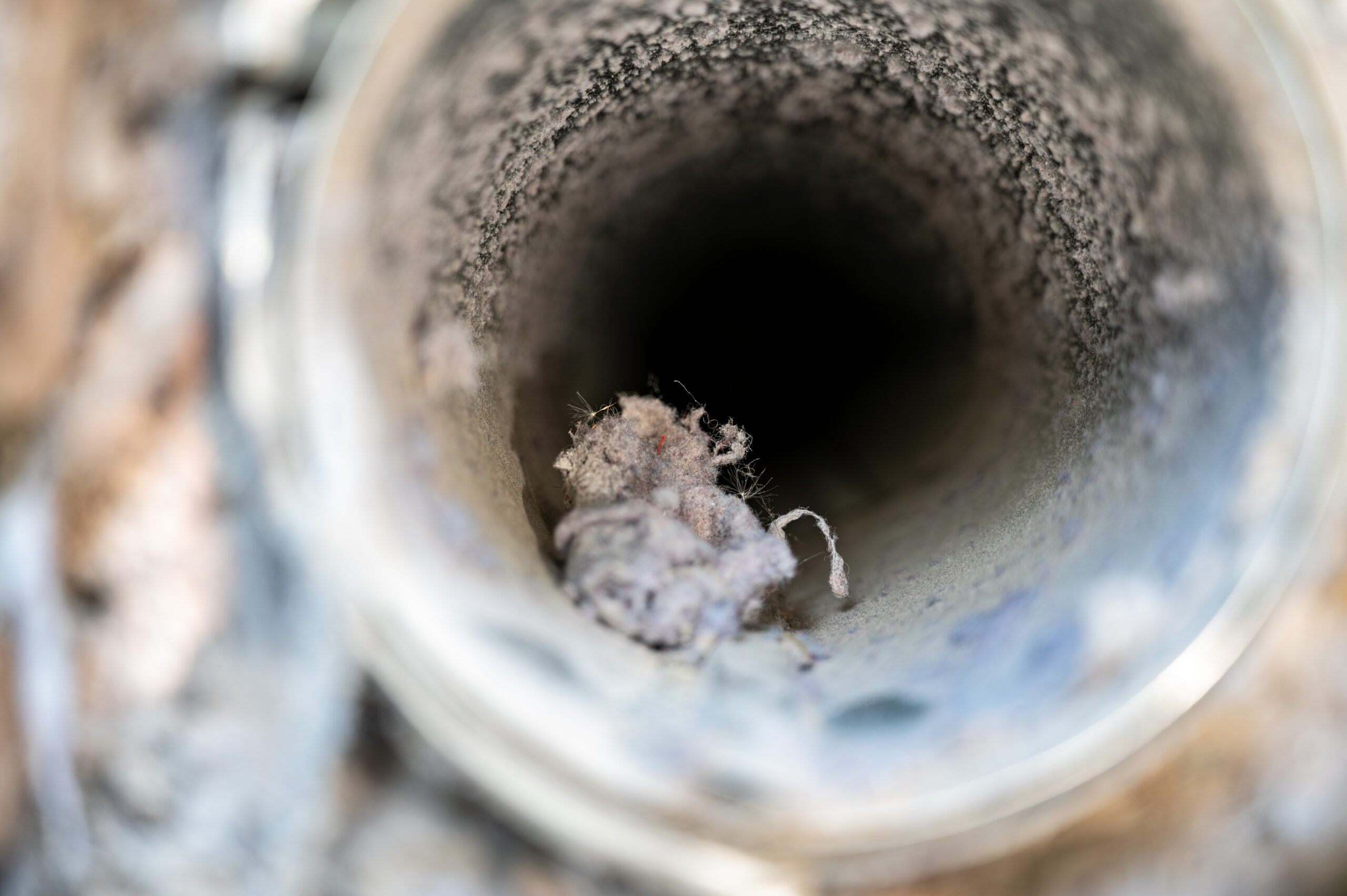
Top 10 Benefits of Scheduling HVAC Duct & Vent Cleaning This Winter in Rio Rancho, NM
Have you noticed that your home feels stuffy during the colder months, or that your heating system isn’t performing as efficiently as it used to? Winter in Rio Rancho, NM can bring chilly nights and dry air, making a clean and efficient HVAC system more important than ever. One often-overlooked maintenance task is duct and vent cleaning. While it may not be the first thing on your winter checklist, it can have a significant impact on your home’s comfort, air quality, and energy efficiency.
Scheduling professional HVAC duct and vent cleaning this winter can make a noticeable difference. Here are the top 10 benefits of taking action now.
1. Improved Indoor Air Quality
Over time, dust, pollen, pet dander, and other debris accumulate in your HVAC ducts. Every time your system runs, these particles can circulate throughout your home. This can trigger allergies, asthma, or other respiratory issues.
Professional duct cleaning removes these contaminants, helping you breathe cleaner air inside your home. According to the Environmental Protection Agency (EPA), indoor air can sometimes be more polluted than outdoor air, making duct cleaning a valuable step in maintaining a healthy environment for your family.
2. Enhanced Heating Efficiency
Dirty ducts can restrict airflow, forcing your heating system to work harder to maintain a comfortable temperature. This inefficiency can lead to uneven heating, longer run times, and unnecessary strain on your equipment.
By removing built-up debris, your HVAC system can distribute warm air more effectively, helping your home stay cozy while your system uses less energy.
3. Lower Energy Bills
When your heating system operates efficiently, it consumes less energy. Blocked or clogged ducts make your furnace or heat pump work harder, which can increase your monthly utility bills.
A professional duct cleaning can help optimize airflow, allowing your heating system to run more efficiently and reduce energy costs over the long term.
4. Reduction of Allergens and Irritants
Winter in Rio Rancho often means closed windows and less ventilation, which can trap dust, pollen, and other allergens inside your home. For allergy sufferers, this can be especially challenging.
Cleaning your ducts removes these irritants from the system before they have a chance to circulate. This can lead to fewer allergy flare-ups, less sneezing, and improved overall comfort during the winter months.
5. Removal of Mold and Mildew
Moisture can sometimes accumulate in HVAC systems, creating a breeding ground for mold and mildew. Mold spores circulating through your ducts can cause unpleasant odors and trigger respiratory problems.
Professional cleaning can identify any mold growth and safely remove it, preventing it from spreading throughout your home. This is particularly important in Rio Rancho, where winter temperature fluctuations can lead to condensation issues in your HVAC system.
6. Extended Lifespan of Your HVAC System
A clean HVAC system experiences less wear and tear. Dust and debris can damage internal components, leading to costly repairs or even premature system failure.
By scheduling regular duct cleaning, you can help protect your investment and extend the life of your heating system. This proactive step reduces the risk of breakdowns during the coldest months of the year.
7. Elimination of Unpleasant Odors
Over time, dust, mold, and accumulated debris can cause musty or stale odors to circulate through your home. These smells can make your living space less inviting, especially during the winter when doors and windows are closed.
Duct cleaning removes the source of these odors, leaving your home smelling fresher and more comfortable.
8. Improved Comfort Throughout Your Home
If certain rooms in your home feel colder than others or your heating system struggles to maintain a consistent temperature, blocked or dirty ducts could be the culprit.
Cleaning your ducts ensures that heated air reaches every room evenly. This helps maintain consistent warmth throughout your home, eliminating cold spots and creating a more comfortable living environment.
9. Prevention of Pest Infestations
Dusty and dirty ducts can attract pests like insects or rodents, which can cause damage to your system and create health risks. Winter is a time when pests often seek shelter indoors, making your HVAC system a potential target.
Professional cleaning removes debris that may attract pests and allows technicians to check for signs of infestation, helping you prevent costly problems before they start.
10. Peace of Mind During the Winter Season
Winter can already bring its share of stress, from fluctuating temperatures to higher energy costs. Knowing that your HVAC system is clean, efficient, and functioning properly can provide peace of mind.
Regular duct and vent cleaning ensures that your home remains a comfortable and safe environment for you and your family throughout the season.
How Professional Duct Cleaning Works
Understanding the process of duct cleaning can help you appreciate the benefits. Here’s what you can typically expect:
-
Inspection: Technicians examine your HVAC system to identify dust buildup, mold, or other issues.
-
Debris Removal: Using specialized tools, dust, pet hair, and other debris are removed from your ducts.
-
Sanitization: Optional sanitizing treatments can help eliminate bacteria or mold spores.
-
System Check: After cleaning, your system is inspected to ensure proper airflow and operation.
Professional technicians are trained to perform these steps safely and efficiently, minimizing disruption to your home while maximizing the benefits.
When to Schedule Duct Cleaning
Winter in Rio Rancho can be harsh on HVAC systems, so timing matters. Ideally, scheduling duct cleaning before or during the coldest months ensures that your system runs efficiently when you need it most.
If it has been several years since your last cleaning, or if you notice dust buildup, unusual odors, or uneven heating, it may be time to call in a professional. Regular maintenance every 3-5 years is recommended for most homes.
DIY vs. Professional Duct Cleaning
While some homeowners may consider cleaning ducts themselves, professional services provide clear advantages:
-
Expertise: Technicians know how to access all parts of your system safely.
-
Equipment: Professionals use high-powered vacuums and brushes designed for HVAC systems.
-
Thoroughness: Professional cleaning removes debris from areas that are difficult to reach, ensuring better results.
DIY attempts may not fully clean the system and could risk damage to your HVAC components, leading to more costly repairs.
Common Misconceptions About Duct Cleaning
There are a few myths about duct cleaning that can confuse homeowners:
-
Myth: "If my house doesn’t have dust issues, I don’t need duct cleaning."
Fact: Dust and debris accumulate in ducts regardless of visible household dust. Cleaning improves air quality and system efficiency. -
Myth: "Duct cleaning is too expensive for the benefits."
Fact: The long-term energy savings, improved comfort, and reduced health risks often outweigh the cost.
Understanding the truth helps homeowners make informed decisions about HVAC maintenance.
For HVAC Duct & Vent Cleaning in Rio Rancho, Contact Pro-Tech Air Conditioning & Heating Today
Winter in Rio Rancho can challenge even the most well-maintained homes. Scheduling professional HVAC duct and vent cleaning ensures cleaner air, improved comfort, and a more efficient heating system.
At Pro-Tech Air Conditioning & Heating, we are committed to providing expert duct cleaning services that protect your home and family while keeping your HVAC system running at its best. Contact us today to schedule a consultation and experience the benefits of a clean and efficient system this winter.