
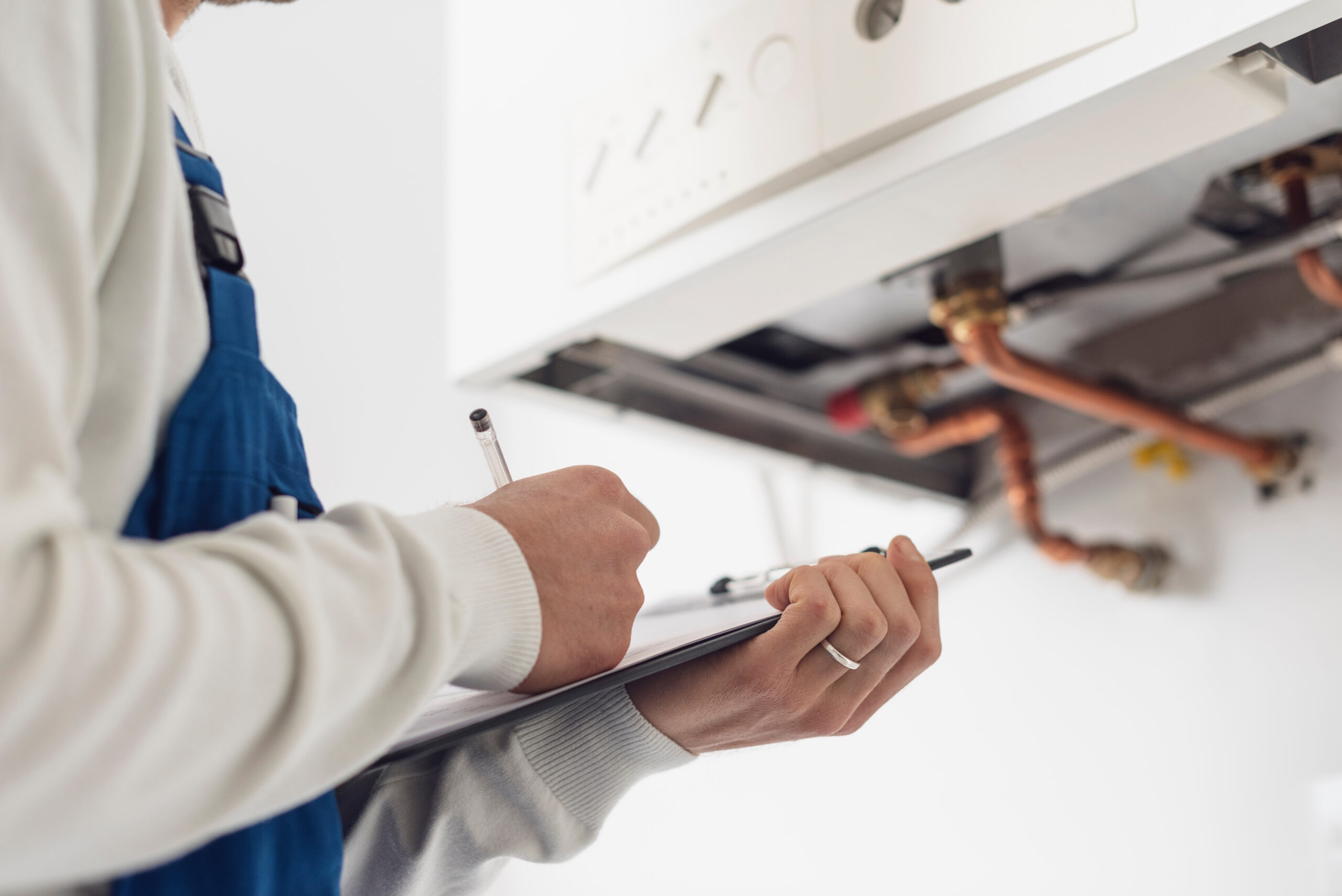
Boiler Season Is Coming: What New Mexico Homeowners Should Know
Fall can arrive quickly in Northern New Mexico. One week you’re enjoying warm, sunny afternoons, and the next you’re waking up to temperatures that have you reaching for the thermostat.
For homeowners with boilers and radiant heating systems, September and early fall are a good time to make sure everything is ready for the colder months ahead.
At Pro-Tech Air Conditioning & Heating , we help homeowners in Santa Fe and surrounding New Mexico communities prepare their heating systems for winter. If your home relies on a boiler, checking the system before you really need it can help you identify problems early and head into heating season with greater confidence.
How Does a Boiler Heat Your Home?
Unlike a traditional forced-air furnace that distributes heated air through ductwork, a boiler heats water and circulates that heat throughout the home.
Depending on the home’s heating system, that heat may be distributed through radiators, baseboard heaters, or radiant floor heating.
Radiant heating is especially familiar to many homeowners in Santa Fe and Northern New Mexico. Instead of feeling warm air blowing from vents, heat radiates into the living space.
When everything is operating properly, this can provide comfortable, consistent heat throughout the home.
But just like any other HVAC equipment, boilers require attention and maintenance.
Why Fall Is a Good Time to Check Your Boiler
Your boiler may have been sitting mostly unused throughout the warmer months.
Waiting until the first freezing night to discover that something isn’t working can turn a routine heating issue into a much more stressful situation.
Before colder temperatures settle into Santa Fe and Northern New Mexico, turn on your heating system and pay attention to how it operates.
Does the boiler start normally?
Is your home warming evenly?
Do you hear unusual noises?
Are certain rooms or heating zones staying cold?
Does the thermostat appear to be working correctly?
If something doesn’t seem right, calling Pro-Tech Air Conditioning & Heating early gives you an opportunity to address the problem before your boiler is needed every day.
Signs Your Boiler May Need Professional Attention
Some boiler problems are obvious. Others start with small changes that are easy to overlook.
Watch for signs such as:
- Unusual banging, knocking, whistling, or gurgling sounds
- Water leaking around the boiler or nearby pipes
- Rooms that aren’t getting warm
- Uneven heating throughout the house
- A boiler that repeatedly turns on and off
- Heating that takes much longer than usual
- Unexpected increases in energy bills
- Problems maintaining the thermostat setting
- Unusual odors
- A boiler that won’t start
If your system isn’t operating normally, don’t assume the problem will correct itself once you begin using the heat more frequently.
Small heating problems can sometimes become larger repair issues.
What Are Those Strange Boiler Noises?
A boiler shouldn’t necessarily be completely silent, but new or unusually loud sounds deserve attention.
Banging, knocking, whistling, or gurgling can potentially be related to several parts of the heating system. Air within the system, water-flow problems, pressure issues, mineral buildup, pumps, valves, or other components may contribute to unusual noises.
Trying to diagnose a boiler based on sound alone can be difficult.
If your boiler suddenly sounds different than it did last winter, have an HVAC professional take a look.
Pro-Tech Air Conditioning & Heating can inspect your system, determine what’s causing the noise, and recommend the appropriate next step.
Check for Water Around Your Boiler
A boiler uses water to heat your home, but you shouldn’t normally find water collecting around the equipment.
Even a small amount of moisture deserves attention.
Check around the boiler, visible pipes, valves, and nearby connections for signs of dripping or leaking.
If you notice water, don’t simply place a towel underneath it and forget about the problem.
A professional should determine where the water is coming from and whether a repair is necessary.
Don’t Ignore Uneven Heating
One of the biggest advantages of a properly operating radiant heating system is consistent comfort.
If one part of your home feels comfortable while another remains noticeably colder, something may need attention.
Depending on the type of system in your home, uneven heating could involve different zones, controls, circulation, thermostats, valves, or other components.
This can become particularly noticeable when you first turn your heating system on for the season.
If a room or heating zone isn’t warming the way it used to, Pro-Tech Air Conditioning & Heating can evaluate the system and help identify what’s happening.
Radiant Floor Heating Needs Attention, Too
Radiant floor heating can be an excellent match for New Mexico homes, particularly during cold Northern New Mexico mornings.
There’s nothing quite like stepping onto a warm floor when temperatures outside are near or below freezing.
However, because much of a radiant heating system isn’t visible, homeowners may not immediately know something is wrong.
You might notice that certain areas of the floor don’t feel as warm as they used to or that a room takes significantly longer to reach a comfortable temperature.
Those changes can be worth investigating before winter.
Don’t Forget About Your Thermostat
Sometimes a heating problem isn’t actually coming from the boiler itself.
Your thermostat plays an important role in telling the heating system when your home needs heat.
Before heating season, make sure the thermostat is responding correctly and set to the appropriate heating mode. If your thermostat uses batteries, fall can also be a convenient time to check or replace them as appropriate for your model.
If your home has multiple heating zones, test each one.
A little testing now can save you from discovering a problem on a freezing January morning.
Annual Boiler Maintenance Can Help You Prepare for Winter
Preventive maintenance gives an HVAC professional an opportunity to inspect your boiler before it enters another full heating season.
Depending on your particular equipment and system, a professional boiler service may involve checking components, controls, system operation, pressure, connections, and other important parts of the heating system.
Maintenance can also help identify signs of wear or developing problems before they cause a loss of heat.
Every boiler system is different, particularly in older New Mexico homes. That’s why having the equipment evaluated by an experienced HVAC professional is important.
Older Santa Fe Homes Can Have Unique Heating Systems
Santa Fe has homes representing many different periods of construction, and heating systems can vary significantly from one property to another.
Some homes have traditional boilers and radiators. Others use radiant floor heating. Some properties have undergone additions or renovations over the years that created multiple heating zones or a combination of heating and cooling systems.
Older equipment can also present different maintenance and repair considerations.
Instead of assuming every heating system should operate the same way, Pro-Tech Air Conditioning & Heating can evaluate the equipment that’s actually installed in your home.
Should You Repair or Replace an Older Boiler?
A boiler problem doesn’t automatically mean you need a new system.
Many issues can be repaired.
However, if your boiler is getting older, requires increasingly frequent repairs, struggles to keep your home comfortable, or has become increasingly expensive to operate, it may be worth discussing your options.
The right decision depends on several factors, including the boiler’s age, condition, repair history, efficiency, and the heating requirements of your home.
Pro-Tech Air Conditioning & Heating can inspect your existing system and help you understand whether repair or replacement makes the most sense.
Get Ready Before Northern New Mexico Gets Cold
New Mexico may be known for sunshine, but homeowners in Santa Fe, Los Alamos, Española, and surrounding communities know how cold our nights can become.
At higher elevations, freezing temperatures can arrive much sooner than homeowners in other parts of the state might expect.
That’s why September and early fall are great times to think about your heating system.
Turn the boiler on.
Listen to it.
Check your thermostats.
Pay attention to how quickly the house warms up.
Look for leaks.
And if something doesn’t seem right, don’t wait until the middle of winter to address it.
Schedule Boiler Service With Pro-Tech Air Conditioning & Heating
Whether you need routine boiler maintenance, help diagnosing a heating problem, or want to discuss replacing an aging system, Pro-Tech HVAC Air Conditioning & Heating is ready to help.
Our team provides professional HVAC services for homeowners throughout Santa Fe, Los Alamos, Española, Rio Rancho, and surrounding New Mexico communities.
Make sure your boiler and radiant heating system are ready before the first real cold snap arrives.
Contact Pro-Tech Air Conditioning & Heating today to schedule boiler service and get your New Mexico home ready for heating season.
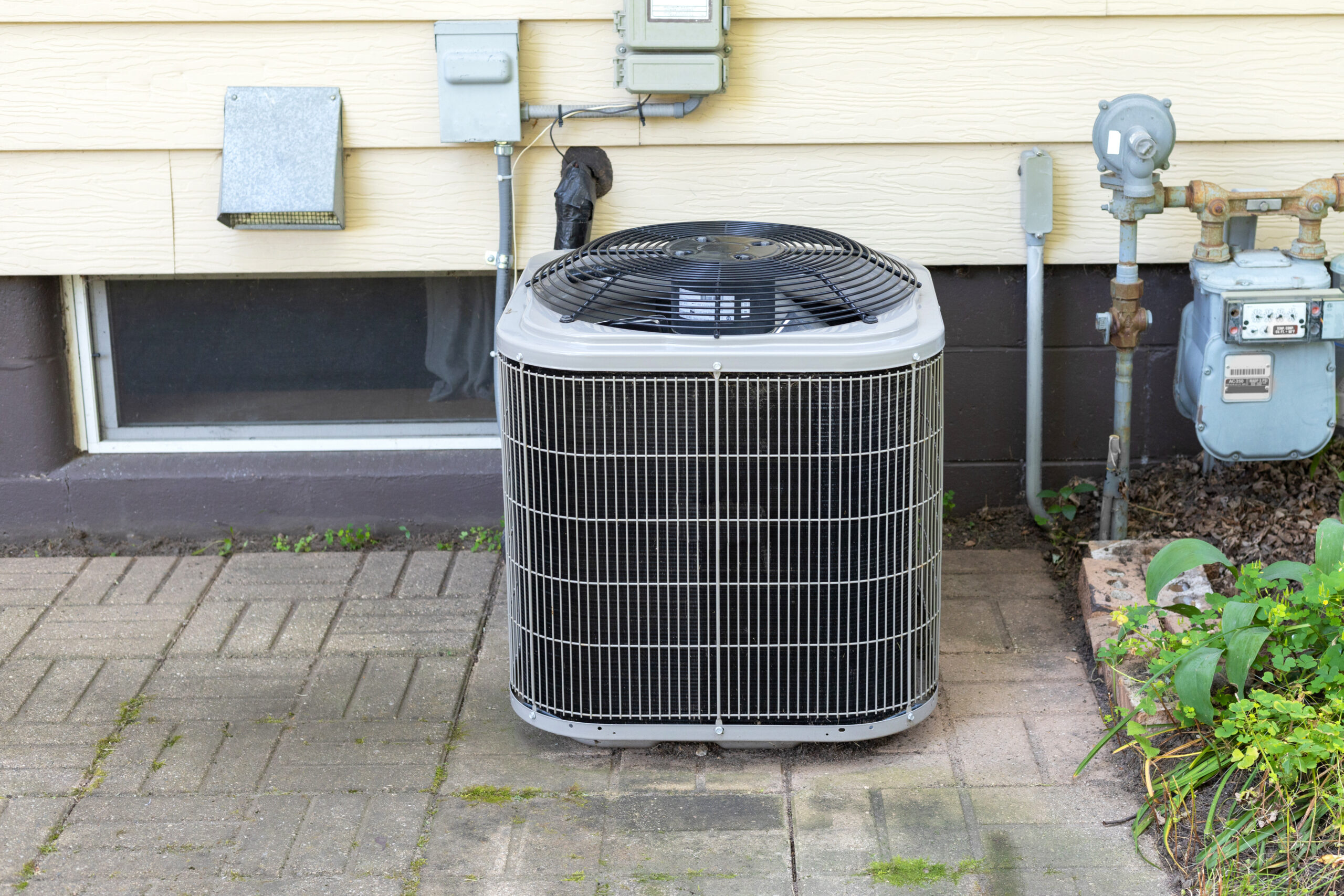
Why Is My AC Struggling in the Afternoon?
Your air conditioner seems to work just fine in the morning, but by 3 or 4 p.m., your home starts feeling warmer. You lower the thermostat, the AC keeps running, and yet the temperature inside doesn't seem to budge.
Sound familiar?
For homeowners in Santa Fe, Los Alamos, Española, and throughout Northern New Mexico, late-summer afternoon heat can put an HVAC system to the test. August brings strong sunshine and high daytime temperatures, and an air conditioner that has already been working hard all summer may begin showing signs of trouble.
If your AC struggles to keep your home comfortable during the hottest part of the day, there are several possible reasons.
Your AC Is Working Against Peak Afternoon Heat
The hottest part of the day doesn't always occur at noon. Homes continue absorbing heat throughout the afternoon, especially through roofs, walls, windows, and doors exposed to direct sunlight.
By late afternoon, your air conditioner may be dealing with both high outdoor temperatures and heat that has accumulated inside the structure. This is especially noticeable in rooms with large west-facing windows or limited shade.
Northern New Mexico's high elevation and intense sunlight can also contribute to afternoon heat gain. Even when outdoor temperatures don't seem extreme compared with other parts of the Southwest, strong sunshine can heat roofs, walls, and windows throughout the day.
Some increase in AC runtime during these hours can be normal. However, if your home becomes noticeably uncomfortable every afternoon or your system runs constantly without reaching the thermostat setting, it may be worth having the system checked.
A Dirty Air Filter Could Be Restricting Airflow
One of the simplest problems can also have a major impact on HVAC performance.
Your air conditioner needs adequate airflow to cool your home efficiently. When an HVAC filter becomes clogged with dust, pet hair, pollen, and other debris, it can restrict airflow through the system.
That's particularly important in New Mexico, where dust, wind, and dry conditions can contribute to dirty filters. Monsoon season can also bring additional dust and debris into the air.
Check your filter regularly and replace it according to the manufacturer's recommendations. Homes with pets, ongoing construction, or higher levels of dust may need filters checked more frequently.
If you've changed the filter and airflow still seems weak, there may be another issue that requires professional attention.
Your Outdoor AC Unit May Be Dirty
Your outdoor condenser has an important job: releasing heat from your home to the outdoors.
Over time, dirt, leaves, weeds, grass clippings, and other debris can accumulate around the outdoor equipment. New Mexico's wind and dust can make keeping this area clear especially important.
When airflow around the outdoor unit is restricted, your cooling system may have to work harder to remove heat from your home. That additional strain can become much more noticeable during the hottest hours of the afternoon.
Homeowners can visually check the area around their outdoor equipment and make sure vegetation and debris aren't blocking airflow. More involved cleaning, inspection, and servicing should be performed by a qualified HVAC technician to avoid damaging components.
Your Thermostat Could Be Part of the Problem
Sometimes the issue isn't the air conditioner itself.
Thermostat location can affect how your HVAC system responds to indoor temperatures. A thermostat exposed to direct sunlight, drafts, nearby appliances, or other unusual temperature conditions may not accurately represent how the rest of your home feels.
Older thermostats can also develop problems that affect temperature readings or communication with the HVAC equipment.
A programmable or smart thermostat may provide better control over your cooling schedule, particularly if your home is empty during part of the day. You can adjust temperatures around your household's schedule rather than making large changes once the house has already become hot.
Your Home May Have Airflow Problems
If certain rooms become significantly warmer than others in the afternoon, your AC system may not be the only factor.
Airflow problems can make it difficult to distribute conditioned air evenly throughout your home. Duct issues, closed or blocked vents, system design, insulation, and the amount of direct sunlight a room receives can all contribute to uneven temperatures.
For example, a west-facing bedroom may become much warmer in the late afternoon than an interior room with limited sun exposure.
Don't automatically close multiple vents in an attempt to force more air into another room. HVAC systems are designed around specific airflow requirements, and significantly changing that airflow can sometimes create additional problems.
An HVAC professional can help determine whether the issue is related to the equipment, airflow, ductwork, or another part of your home's comfort system.
Your Ductwork Could Be Losing Cool Air
Your AC may be producing plenty of cool air, but that doesn't necessarily mean all of it is reaching your living spaces.
Leaks, disconnected sections, damaged ductwork, or poorly insulated ducts can allow conditioned air to escape before it reaches the vents. If ductwork passes through an attic, crawlspace, garage, or another unconditioned area, those losses can become particularly noticeable during hot afternoons.
Ductwork problems may contribute to rooms that never seem comfortable, weak airflow from certain vents, or an HVAC system that runs for long periods.
If you're experiencing persistent comfort problems despite having a functioning air conditioner, having the overall system evaluated can help identify where conditioned air may be getting lost.
Insulation and Windows Can Affect AC Performance
Sometimes an air conditioner is blamed for a problem that actually begins with the home itself.
Insufficient insulation can allow outdoor heat to enter your home more quickly. Older windows, gaps around doors, and other areas of air leakage can also make it harder to maintain a comfortable indoor temperature.
Direct afternoon sunlight can be particularly challenging. Rooms with large west- or south-facing windows may experience significant heat gain as the day progresses.
Window coverings, appropriate shading, weather sealing, and adequate insulation can all work alongside your HVAC system to improve comfort.
If your AC has been professionally inspected and is operating properly but the house still becomes extremely warm every afternoon, it may be worth considering the home's overall energy efficiency.
Your Air Conditioner May Need Maintenance
By August, your cooling system has already put in months of work.
If maintenance hasn't been performed recently, dirt and wear can begin affecting system performance. A professional HVAC inspection can identify issues that may be reducing your system's ability to cool effectively.
During professional service, a technician can evaluate system operation, airflow, electrical components, and other important areas of the equipment. If something isn't operating correctly, finding it before the system completely fails can save you from an uncomfortable surprise.
If your AC seems to be working harder than it did at the beginning of summer, don't automatically assume it's just because it's hot outside.
Your AC Could Be the Wrong Size
Bigger isn't always better when it comes to air conditioning.
An HVAC system should be appropriately sized for the home. A system that's too small may struggle to meet cooling demands during the hottest periods. An oversized system can create a different set of comfort and efficiency problems.
Proper HVAC sizing considers much more than square footage. Windows, insulation, ceiling height, home orientation, construction, sun exposure, and other factors can affect cooling requirements.
If your system has struggled during hot weather since it was installed, improper sizing could be one factor worth investigating.
This can also become an issue when a home has been expanded or remodeled. Adding finished living space without considering the existing HVAC system's capacity can change the home's heating and cooling requirements.
Your Air Conditioner May Be Getting Older
Even a well-maintained air conditioner won't last forever.
As equipment ages, components can wear down and performance may decline. You may begin noticing that the system runs longer, needs more frequent repairs, or has difficulty maintaining comfortable temperatures.
You might also notice that you're calling for repairs more often than you used to. One repair doesn't necessarily mean it's time for replacement, but recurring problems can make it worth discussing your options.
This doesn't automatically mean you need a new system. A qualified HVAC technician can inspect the equipment and help determine whether a repair makes sense or whether it's time to start considering replacement.
Planning ahead is much easier than having to make that decision after your AC stops working on a hot August afternoon.
Could a Mini-Split Help With a Problem Room?
Sometimes the entire house isn't uncomfortable—it's one particular room.
Home additions, converted garages, home offices, sunrooms, casitas, and other spaces may have heating and cooling needs that differ from the rest of the home. If modifying the existing duct system isn't practical, a ductless mini-split may be an option.
Mini-splits provide targeted heating and cooling without requiring traditional ductwork. They can be particularly useful for spaces that weren't included in the home's original HVAC design.
A professional evaluation can help determine whether improving existing airflow or installing a separate comfort solution makes more sense.
Should You Turn Your Thermostat Way Down?
When the house feels hot, it's tempting to lower the thermostat several degrees in hopes that the AC will cool the house faster.
But setting the thermostat dramatically lower doesn't make most traditional air conditioners produce colder air or cool the home faster. It can simply cause the system to continue running longer.
Instead, try maintaining a consistent, comfortable thermostat setting. Large temperature adjustments during the hottest part of the afternoon may require your system to work for an extended period to catch up.
If your thermostat is set to a reasonable temperature and your AC can't keep up, continually lowering the setting won't address the underlying problem.
That's when it's time to find out why the system is struggling.
Don't Ignore an AC That's Losing Ground
A little extra runtime during a hot New Mexico afternoon isn't necessarily a problem. But there is a difference between an AC working hard and one that simply can't keep up.
Pay attention to how your system behaves throughout the day. If the temperature inside slowly climbs despite the AC running continuously, there may be a performance, airflow, or home-efficiency issue worth investigating.
Call for professional HVAC service if you notice problems such as:
- The AC runs constantly without reaching the thermostat setting
- Airflow from the vents is unusually weak
- Some rooms are significantly warmer than others
- The system repeatedly turns on and off
- Your AC is making unusual noises
- Your energy use suddenly increases
- The system is blowing warm or insufficiently cool air
- You notice unusual odors when the AC is running
- The system frequently needs repairs
Addressing these problems early may help prevent an unexpected breakdown and give you more time to decide on the best solution.
Get Your HVAC System Ready for the Change of Seasons
August is also a good time to start thinking beyond air conditioning.
Northern New Mexico can transition from warm afternoons to chilly evenings relatively quickly as fall approaches. Your cooling system may still be working hard during the day while cooler nighttime temperatures remind you that the heating season isn't far away.
Scheduling HVAC service in late summer gives you an opportunity to address cooling problems while also preparing for the changing season. Instead of waiting until the first cold night to discover a heating problem, you can make sure your home's HVAC equipment is ready ahead of time.
AC Service in Santa Fe and Northern New Mexico
August heat can expose weaknesses in an HVAC system that weren't obvious earlier in the summer. If your air conditioner works well in the morning but struggles every afternoon, there may be more going on than simply hot weather.
Pro-Tech Air Conditioning & Heating provides professional HVAC services for homeowners throughout Santa Fe, Los Alamos, White Rock, Española, Rio Rancho, and surrounding New Mexico communities.
Whether your system needs maintenance, repair, improved airflow, or it's time to discuss replacement options, the Pro-Tech team can evaluate your equipment and help you find the right solution for your home.
Don't spend the rest of August adjusting the thermostat and hoping your home eventually cools down.
Contact Pro-Tech Air Conditioning & Heating today to schedule HVAC service and keep your home comfortable through the rest of the New Mexico summer and into fall.